
How to Check If a California Mover Is Licensed (CPUC and DOT)
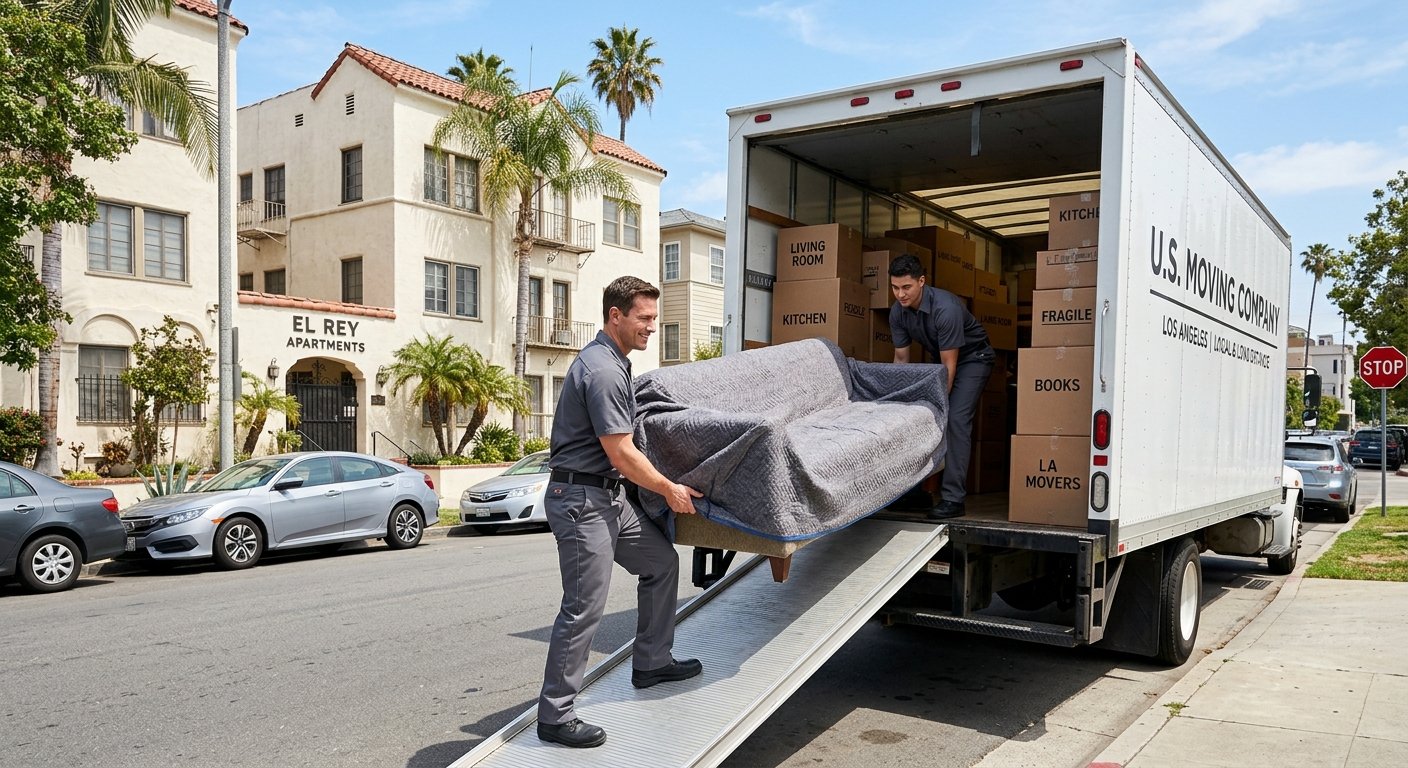
Planning a move in California, especially in a busy market like Los Angeles, can feel overwhelming. You have to coordinate dates, packing, parking, elevators, and the actual movers themselves. On top of that, you need to be sure the company handling your belongings is properly licensed and insured. One bad decision can turn moving day into an expensive problem.
This guide from TrueNorth Van Lines walks through how to approach licensed movers in California step by step. You will learn how local moving works in Los Angeles and other California cities, what licensing means, how to compare estimates, and how to prepare your home so moving day runs smoothly. The goal is to help you feel organized, informed, and confident when you book.
Whether you are moving from a studio in downtown Los Angeles, a family home in the suburbs, or an office across town, careful planning and choosing the right licensed mover makes all the difference. With clear checklists, tables, and practical examples, this guide is designed to work like a field manual you can follow from the day you decide to move until the last box is in place.
TrueNorth Van Lines offers local moving services throughout many California communities and approaches each move with careful planning, communication, and respect for your time and property. While every move is unique, the core principles in this guide apply to most residential and commercial relocations within the state.
Key takeaways
- Licensed movers in California must hold specific state and federal credentials; verifying them before you book protects you financially.
- Clear inventories, access details, and realistic timeframes lead to more accurate quotes and fewer surprises on moving day.
- Local moves are usually based on hourly rates, while long-distance and interstate moves often use weight or flat-rate pricing models.
- Preparing parking, elevators, and building approvals in Los Angeles and other dense cities can save hours of billable time.
- Written estimates, clarified fees, and understanding valuation coverage are essential before signing any contract.
- Smart packing, labeling rooms, and keeping essentials with you can shorten your move and reduce stress.
- TrueNorth Van Lines offers organized local moving, packing, and storage options to streamline moves for homes and businesses across California.
California local moving basics
Local moving inside California often sounds simpler than it really is. The distance may only be a few miles, but traffic, building access, limited parking, and tight timelines can make local moves complex. Understanding the basics of how local moves work in California is the first step to planning effectively.
Typical local move scenarios
Some common local move types in California include:
- Apartment-to-apartment moves within the same city
- House to house moves within a metro area
- Condo or high-rise moves with elevator reservations
- Office relocations within the same business district
- Short-distance moves that also require storage between homes
In each of these situations, access, parking, and timing matter just as much as how many boxes you have.
How local moves are usually billed
Most licensed movers in California charge for local moves based on time: an hourly rate for a set crew size and truck. That hourly rate is influenced by factors like day of the week, season, and special requirements such as stairs or heavy items.
To avoid confusion, make sure your mover explains:
- The hourly rate and minimum number of hours
- How drive time or travel fees are calculated
- Whether materials (pads, shrink wrap, tape) are included or extra
- How overtime rates work, if applicable
TrueNorth Van Lines clarifies these points up front so you know what to expect before the truck arrives.
What Licensed Movers in California Actually Mean
When people search for licensed movers in California, they are trying to avoid unreliable operators and protect themselves during a stressful transition. Licensing does not guarantee perfection, but it shows that the mover is operating under required regulations and coverage.
Why licensing matters
Licensed movers are required to follow specific rules regarding estimates, service, and handling of claims. Working with an unlicensed mover may expose you to risks such as:
- No clear recourse if items are lost or damaged
- Unexpected fees or significant price increases on moving day
- Improper handling of your belongings and property
- Lack of required insurance coverage
A licensed mover is accountable to regulators and must provide certain documents and disclosures. This structure gives you more transparency and better tools to settle any issues that may arise.
CPUC mover license and DOT number basics
In California, local moves within the state are regulated at the state level. When you move across state lines, federal regulations apply. You will often see references to a CPUC mover license or a DOT number. These identifiers make it possible to verify that a company is operating as a legal carrier.
While you should always check current requirements directly with the appropriate agencies, here is a simplified comparison of the main identifiers you will encounter:
| Identifier | Applies to | Why it matters |
|---|---|---|
| State license (CPUC mover license) | Intrastate moves within California (e.g., Los Angeles to Pasadena) | Shows mover is authorized to perform household goods moves inside the state and follow state rules. |
| USDOT number (DOT number movers) | Companies that operate commercial vehicles in interstate commerce | Helps you verify safety and registration records for interstate moving companies. |
| MC or similar federal operating authority | Interstate household goods carriers | Indicates the mover has authority to transport household goods across state lines. |
TrueNorth Van Lines operates as a licensed and insured moving company and is committed to maintaining all required regulatory credentials for the moves it performs.
How to Verify a California Moving Company
Verifying that a mover is properly licensed is one of the most important steps in planning a safe move. Many customers skip this step because they are busy packing and comparing prices. Taking a few minutes to verify a mover can prevent major headaches later.
Basic verification steps
Use this checklist before you book any mover in California:
- Ask the company for its legal business name (not just a nickname) and any doing-business-as names.
- Request the CPUC mover license or similar state license number for intrastate moves.
- If you are moving across state lines, also ask for the USDOT number and federal operating authority numbers.
- Verify that the name, address, and contact details match the information provided in your estimate.
- Confirm that the mover has insurance coverage and ask for proof if you need it.
- Make sure you receive written documentation, not just verbal promises.
Sample wording you can use:
“Before I confirm my booking, could you please provide your state moving license number and DOT number so I can confirm your registration?”
Red flags when checking licenses
As you verify a mover, pay attention to warning signs such as:
- Refusing to provide a license or DOT number when asked
- Using multiple company names or phone numbers that do not match documents
- Only offering verbal estimates with no written agreement
- Asking for cash only or very large deposits before scheduling
If something feels off, it usually is. A legitimate, licensed mover will welcome your questions and provide clear documentation. TrueNorth Van Lines encourages customers to ask about licensing and insurance and is transparent about its credentials.
Local vs. Long-Distance Moves in California
Understanding the difference between local, intrastate long-distance, and interstate moves helps you choose the right level of service and understand how pricing and regulations work.
How moves are categorized
| Move type | Typical example | Common pricing method |
|---|---|---|
| Local move | Within the same city or metro area (e.g., Los Angeles to Santa Monica) | Hourly rate based on crew size and time |
| Intrastate long-distance | Within California but longer distance (e.g., Los Angeles to Sacramento) | May use flat-rate or weight-based pricing plus travel charges |
| Interstate move | From California to another state (e.g., Los Angeles to Phoenix) | Often weight-based with detailed inventory and federal paperwork |
TrueNorth Van Lines handles both local and long-distance moving services and can explain which rules and pricing models apply to your specific route.
Choosing the right service level
Local and long-distance moves can be customized to your needs. Some customers want full-service moving where the crew handles packing, furniture protection, loading, transport, and unpacking. Others prefer a hybrid approach: the mover handles heavy furniture and transport, while the customer packs most boxes.
When planning, think about:
- Your time and schedule
- Your budget and how you want to allocate it
- Any mobility or health limitations
- How fragile, bulky, or valuable your items are
- Parking and access at both locations
Local moving services from TrueNorth Van Lines are flexible enough to fit small apartments or large homes, with add-on packing and storage options available when needed.
What Affects the Cost of Your California Move
Many people focus on a single number when comparing moving estimates. A more accurate approach is to understand what drives cost. This allows you to control or adjust certain factors and avoid surprises.
Main cost factors
| Cost factor | How it affects pricing | How you can plan |
|---|---|---|
| Move size (inventory) | More items mean more time to pack, carry, load, and unload. | Declutter before moving; provide accurate inventory to your mover. |
| Distance and drive time | Longer drives and traffic increase total labor hours and travel fees. | Choose move times to avoid rush hour when possible. |
| Access (stairs, elevators, parking) | Long walks and stairs add time; elevator waits can slow a crew. | Reserve elevators, secure loading zones, and inform the mover in advance. |
| Special items (pianos, safes) | Require extra crew, equipment, and handling time. | List these items on your quote request and discuss handling options. |
| Packing level | Full packing, partial packing, or self-packing affect labor and materials costs. | Decide which rooms you want professionally packed and which you will pack yourself. |
Transparent movers explain these factors clearly. TrueNorth Van Lines provides detailed explanations with local and long-distance moving quotes so you understand how your price was built.
Using a moving calculator
Before you commit, running your details through a moving cost calculator can help you estimate a realistic range for your budget. You can use the moving cost calculator as a starting point, then refine with a written estimate from a licensed mover.
How to Compare Moving Estimates the Right Way
It is common to collect multiple estimates from movers in Los Angeles and across California. The challenge is that not all estimates are structured the same way. Comparing purely on the bottom-line number can be misleading.
What to look for in each estimate
When you receive written estimates from different movers, review the following elements:
- Type of estimate (hourly, weight-based, flat rate)
- Included services (packing, furniture assembly, supplies)
- Travel and fuel charges
- Overtime or weekend rates
- Charges for stairs, long carries, or shuttles
- Valuation coverage options and limits
Putting these side by side helps you see which quote truly fits your needs. Here is a simple framework you can use:
| Comparison item | Mover A | Mover B |
|---|---|---|
| Hourly or flat rate? | Example: Hourly, 3 movers | Example: Flat rate based on inventory |
| Included services | Example: Load/unload only | Example: Load/unload + basic packing |
| Travel/fuel charges | Example: 1-hour travel minimum | Example: Flat travel fee |
| Valuation coverage | Released value only | Option to purchase higher coverage |
Rather than chasing the lowest price, aim for a licensed mover that offers clear terms, realistic timing, and professional crews. TrueNorth Van Lines focuses on transparent, detailed estimates so you understand exactly what is included.
Sample question to ask when comparing:
“Can you walk me through what is included in this estimate and any situations that might cause the final cost to change?”
Suggested Moving Timeline for Los Angeles and Other Cities
Starting early is one of the best ways to reduce stress. The following planned timeline works well for many local California moves. You can adjust based on your schedule and the size of your home.
Recommended planning schedule
| Time before move | Key tasks | Notes |
|---|---|---|
| 6–8 weeks | Set move date range, research licensed movers, request quotes, start decluttering. | Prime time to compare companies without last-minute pressure. |
| 4–6 weeks | Book a mover, confirm building rules, reserve elevators, begin packing rarely used rooms. | Secure the date you want, especially in peak season. |
| 2–3 weeks | Complete most packing, label boxes, schedule utilities, plan parking for moving truck. | Aim to have the majority of packing done this week. |
| 1 week | Pack essentials box, confirm details with mover, prepare payment method, set aside items to travel with you. | Avoid packing important documents or daily-use items by mistake. |
| Moving day | Walk-through with crew, keep pathways clear, perform final check of each room. | Do a final walkthrough before leaving to ensure nothing is left behind. |
TrueNorth Van Lines coordinates with clients to align this planned timeline with actual crew and truck availability, especially in busy markets like Los Angeles and other California cities.
How to Prepare Before Movers Arrive
Good preparation at home can significantly reduce the time your movers spend on site, which often saves money and decreases stress. Whether you are using full-service packing or doing some of the work yourself, certain steps always help.
Home preparation checklist
- Clear hallways and entryways so movers can safely carry items.
- Secure pets and small children in a safe room away from the action.
- Disassemble simple furniture (if not handled by movers) and keep hardware in labeled bags.
- Unplug electronics and tie up cords for safety.
- Identify fragile items that require special attention and point them out to the crew leader.
- Place packed boxes in stages, grouping them by room when possible.
- Reserve elevators and loading areas as required by your building.
Having everything ready when the truck arrives allows the crew to start working immediately. TrueNorth Van Lines crews appreciate when customers prepare in this way and are happy to coordinate tasks ahead of time.
Communicating special instructions
Every home has unique details: narrow staircases, delicate artwork, or furniture that must not be disassembled. Communicate these clearly before and on moving day.
Example phrasing you can use with your crew:
“This cabinet is an antique and cannot be lifted by the doors. Please use the base and side supports only.”
When crews have this information early, they can prepare the right equipment and plan the load sequence accordingly.
Packing, Inventory, and Labeling Strategies
Packing is where a lot of time and stress shows up during a move. A planned, room-by-room approach helps you stay in control and makes unloading at your new home much easier.
Deciding between self-packing and professional packing
Some customers want full professional packing services, while others prefer to pack most items themselves and reserve professional help for fragile or high-value pieces. TrueNorth Van Lines offers professional packing services that can be tailored to your needs.
Consider professional packing if:
- You have limited time before your move.
- You own fragile artwork, glass, or electronics that require extra care.
- You are planning a large or multi-story move.
- You prefer a single team to handle packing and moving.
Self-packing can work well if you begin early and stay organized, especially for books, clothing, and non-fragile items.
Creating a simple inventory
Even a basic inventory can help you plan and protect your belongings. You do not need complicated software; a simple spreadsheet or notebook works.
- List each room and the major items in it.
- Note any unusually heavy, large, or fragile pieces.
- Highlight items that will require disassembly or reassembly.
- Match box labels to the room list to confirm everything arrives.
Here is an example of how you might structure an inventory overview:
| Room | Key items | Special notes |
|---|---|---|
| Living room | Sectional sofa, TV stand, coffee table, 6 boxes | TV and sound system need extra padding. |
| Bedroom | Queen bed, dresser, 8 boxes | Bed requires disassembly and reassembly. |
| Kitchen | Table, 10 boxes of dishes and cookware | Mark fragile; stack lightly. |
Labeling boxes clearly
Good labeling saves time at both ends of the move. Consider labeling each box with:
- Destination room at the new home (e.g., “Bedroom 2”)
- Short description (e.g., “Books,” “Pots and Pans”)
- Fragile indicators if necessary
- Priority level (“Open first,” “Seasonal,” etc.)
Many customers also like to number boxes by room, such as “Kitchen 1 of 10.” This makes it easy to confirm that everything arrived when you check off the boxes on your inventory list.
What to Keep With You on Moving Day
Even with a fully trusted, licensed mover, there are certain items you should keep with you rather than placing on the truck. This protects your important documents and helps you settle in faster.
Essentials to carry personally
- Wallets, keys, and everyday personal items
- Passports, birth certificates, and legal documents
- Medications and basic first aid supplies
- Valuables and small electronics
- Moving day cash or payment method
- Phone chargers and essential tech accessories
- Change of clothes and basic toiletries
- Snacks and water, especially for long days
You may also want a small toolkit with a screwdriver, Allen keys, and scissors to open boxes and assemble basic furniture on arrival.
A dedicated “open first” box that travels with you or is loaded last can include items like toilet paper, cleaning supplies, towels, sheets, and simple kitchen items. Ask your TrueNorth Van Lines crew to keep this box accessible.
Common Moving Mistakes in California and How to Avoid Them
Many moving problems are avoidable with planning. Understanding common mistakes helps you stay ahead of them.
Typical issues and solutions
| Common mistake | Potential impact | How to prevent it |
|---|---|---|
| Booking an unlicensed mover | Limited recourse if something goes wrong; possible financial loss. | Verify CPUC mover license and DOT number; insist on written estimates. |
| Underestimating move size | Insufficient truck space or time; higher final bill. | Provide accurate inventories and photos; be honest about your belongings. |
| Ignoring building rules | Fines, delays, or denied access on moving day. | Check building requirements, elevator reservations, and insurance certificates early. |
| Last-minute packing | Rushed, unsafe packing; longer move time; increased damage risk. | Follow a planned packing schedule; consider professional packing help. |
TrueNorth Van Lines teams see these patterns often and help customers plan around them. Discuss your timeline and any concerns early so solutions can be built into your move plan.
Key Questions to Ask Before You Book a Mover
Asking the right questions helps you evaluate professionalism, licensing, and fit. Use this list when you speak with potential movers in California.
- What is your legal company name and license number for operating in California?
- Do you have a USDOT number for interstate moves, and will it apply to my relocation?
- Is my move considered local, intrastate long-distance, or interstate?
- How is pricing calculated for my type of move?
- What services are included in the estimate, and what costs extra?
- What valuation coverage options do you offer, and how do claims work?
- How many movers and trucks will you send for my job?
- Do you offer packing and unpacking services, and how are they billed?
- How do you handle stairs, difficult access, or long carries?
- What is the process if I need to change my date or add items?
Licensed movers such as TrueNorth Van Lines will be ready to answer these questions clearly, provide written documentation, and outline next steps for booking.
How TrueNorth Van Lines Supports California Customers
TrueNorth Van Lines serves residential and commercial customers across many parts of California, including busy areas like Los Angeles where access and timing are critical. The company focuses on organized planning, careful handling, and clear communication at every stage.
Service options to fit different needs
TrueNorth Van Lines offers a range of flexible services:
- Local moving services for apartments, condos, homes, and offices within California cities.
- Long-distance moving services for more complex intrastate and interstate relocations.
- Professional packing services for full or partial room packing, fragile items, or last-minute assistance.
- Secure storage services when you need short- or longer-term solutions between homes or renovations.
Each move is planned based on your inventory, access, and timing needs, with clear scheduling and contact information so you always know who to reach if something changes.
Helpful TrueNorth Van Lines services
Planning a local Los Angeles move with TrueNorth
Los Angeles moves have their own challenges: traffic, narrow streets, limited parking, and building rules. TrueNorth Van Lines coordinates move times, truck sizes, and crew assignments with these realities in mind.
When you request an estimate, the team will ask questions about your building type, floor level, elevator availability, and parking. These details are not just formalities—they determine how many people and how much time your move will realistically need.
If you are searching from the perspective of “1 licensed mover I can rely on” in California, TrueNorth aims to be a reliable partner that communicates clearly from the first quote to the final walkthrough.
CTA: Next steps for your California move
If you are planning a move within California and want to work with a licensed, insured moving company, you can explore all moving services, review the service areas, estimate your budget with the moving cost calculator, and request a free moving quote when you are ready.
Related moving guides
Frequently asked questions
How do I know if a California mover is licensed?
Ask the mover for its state license number and any DOT number, then verify that the company name and details match the information on your written estimate and service documents. Licensed movers will provide this information willingly.
What is the difference between a CPUC mover license and a DOT number?
A CPUC mover license (or similar state license) generally applies to moves within California, while a DOT number is a federal identifier used for companies that operate commercial vehicles, especially for interstate moves. Many movers operating across states will have both.
Are local moves in Los Angeles charged by the hour?
Most licensed movers charge for Los Angeles local moves on an hourly basis, with a set number of movers and a truck. Your estimate should clearly show the hourly rate, minimum hours, and any travel or fuel charges.
When should I book a licensed mover in California?
Booking 4–6 weeks in advance is ideal, especially during busy seasons like summer or the beginning and end of each month. Short-notice moves may still be possible but can limit your date and time options.
Can movers pack my belongings for me?
Yes. Many licensed movers, including TrueNorth Van Lines, offer full or partial packing services. You can have the crew pack everything or just specific rooms and fragile items, depending on your budget and schedule.
What should I do if my building requires a certificate of insurance?
Ask your mover to provide the necessary insurance documentation ahead of time. Share your building manager’s requirements so the mover can issue the certificate correctly before moving day.
How can I keep my California moving costs under control?
Declutter before you move, start packing early, be honest about your inventory, and prepare access and parking. Clear, accurate information reduces last-minute changes and extra time.
What if I need storage during my move?
If your new home is not ready or you have timing gaps, ask your mover about storage options. TrueNorth Van Lines offers secure storage services that can bridge the gap between move-out and move-in dates.
Do licensed movers provide binding estimates?
Some moves may qualify for binding or not-to-exceed estimates depending on regulation and company policy. Ask your mover what type of estimate they are providing and under what circumstances the price could change.
What should I do on moving day to help things go smoothly?
Have everything packed and labeled (unless you booked packing), keep pathways clear, reserve elevators and parking, be available to answer questions, and perform a final walkthrough with the crew leader before they leave.
Sources referenced in this guide
While this guide is based on the day-to-day experience of professional movers, you may also find it helpful to review information from the following types of sources when planning your move:
- Federal Motor Carrier Safety Administration consumer guidance on household moves
- U.S. Department of Transportation moving guidance and consumer protection materials
- California state transportation or consumer protection agencies that oversee household goods movers
- Building management move-in and move-out requirements, including elevator reservations and insurance rules
- Written moving estimates, bills of lading, and service agreements provided by your mover
- Carrier tariffs and valuation options that explain how coverage and charges are structured
This guide is general moving information, not legal, insurance, or regulatory advice. Moving requirements, pricing, access rules, and coverage options may vary by location, move type, building rules, and service agreement.