Request a free moving quote<\/a><\/li><\/ul><\/div>Plan your move and paperwork with TrueNorth Van Lines<\/h2>
When you are organizing a move, it helps to know that your paperwork is as organized as your boxes. TrueNorth Van Lines can help you plan the entire process, from your first estimate through the final signatures at delivery.
If you already have a tentative move date in mind, you can review service areas<\/a>, explore all moving services<\/a>, and use the moving cost calculator<\/a> to outline your budget. When you are ready, you can request a free moving quote<\/a> and discuss how your bill of lading will reflect the services you choose.
For additional planning tips and practical checklists, you can also visit the TrueNorth Van Lines blog<\/a> and use this guide as a reference when reviewing your paperwork.
Frequently asked questions<\/h2>
1. What is a moving bill of lading, in simple terms?<\/strong>
A moving bill of lading is the main written contract between you and your moving company. It describes your shipment, origin and destination, charges, and key terms, and it is signed by both you and the mover before your belongings are transported.<\/p>2. When do I receive my bill of lading?<\/strong>
You typically receive your bill of lading on moving day, just before loading begins. For some long-distance moves, you may see a draft earlier, but the final version is usually signed at pickup after any last details are confirmed.<\/p>3. Is the bill of lading the same as my estimate?<\/strong>
No. The estimate shows what your move is expected to cost based on the information available at the time. The bill of lading is the actual contract for the move. It may refer to your estimate and list the estimate type, but it also includes other terms about liability, timing, and payment.<\/p>4. What should I check before signing the bill of lading?<\/strong>
Verify your name and contact information, origin and destination addresses, pickup and delivery dates or windows, estimate type, charges, valuation option, and payment terms. Make sure the document is complete and that any important promises or changes you discussed appear in writing.<\/p>5. Can I change my bill of lading after signing it?<\/strong>
You may sometimes add written addendums or updated documents if plans change, such as a new delivery address or additional services. However, you should not rely on verbal changes alone. Ask your mover how adjustments will be documented and how they may affect charges or timing.<\/p>6. How does the bill of lading relate to the inventory sheet?<\/strong>
The bill of lading is the contract and shipment overview, while the inventory sheet is a detailed list of items loaded onto the truck and their condition at origin. Together they show what was shipped, when, and under what terms, which can be important if questions come up later.<\/p>7. Where can I find information about liability or valuation on my bill of lading?<\/strong>
Most bills of lading include a specific section or checkbox area for valuation or liability options. It may be labeled something like "valuation" or "carrier's liability." If you are not sure which option you chose, ask your mover to point it out and explain the differences before you sign.<\/p>8. What happens if my delivery is delayed beyond the window on the bill of lading?<\/strong>
If a delivery delay occurs, the next steps depend on the terms in your paperwork and the reason for the delay. Your mover should communicate updated timing and discuss any options available under your contract or applicable regulations. It is easier to address delays when your original delivery window is clearly documented.<\/p>9. Should I keep a copy of my bill of lading after the move is finished?<\/strong>
Yes. Keep your bill of lading, estimate, inventory, and any receipts with your important records. These documents can be useful if you have questions later, need to review charges, or must reference your move for insurance or tax purposes.<\/p>10. How does TrueNorth Van Lines help customers understand their bill of lading?<\/strong>
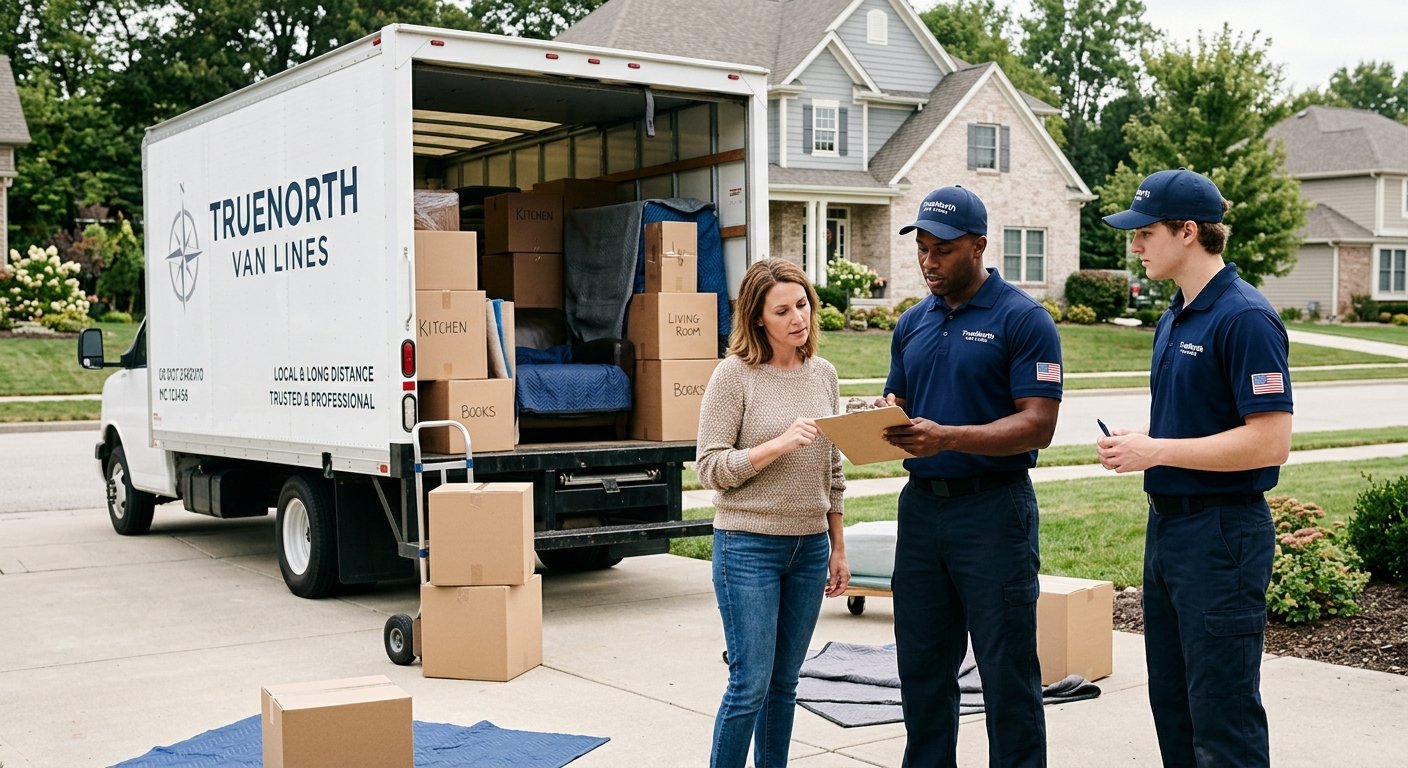
TrueNorth Van Lines aims to explain key paperwork clearly before you sign and to connect it to your estimate and planned services. Coordinators and crew leaders can walk you through important sections, answer questions, and make sure you receive signed copies for your records.
Sources referenced in this guide<\/h2>
This guide is based on common practices and consumer guidance related to household goods moves, including:
- Federal Motor Carrier Safety Administration consumer guidance for household goods moves<\/li>
- U.S. Department of Transportation moving guidance for interstate carriers<\/li>
- State transportation and consumer protection agency materials describing moving contracts and estimates<\/li>
- Building management move-in and move-out requirements for elevators, loading docks, and parking<\/li>
- Written moving estimates, bills of lading, and carrier tariffs commonly used by professional movers<\/li>
- Valuation option summaries and service agreements provided by licensed household goods carriers<\/li><\/ul>
This guide is general moving information, not legal, insurance, or regulatory advice. Moving requirements, pricing, access rules, and coverage options may vary by location, move type, building rules, and service agreement.<\/em><\/p>