
Moving From LA to San Francisco: Cost, Timeline, and What to Expect
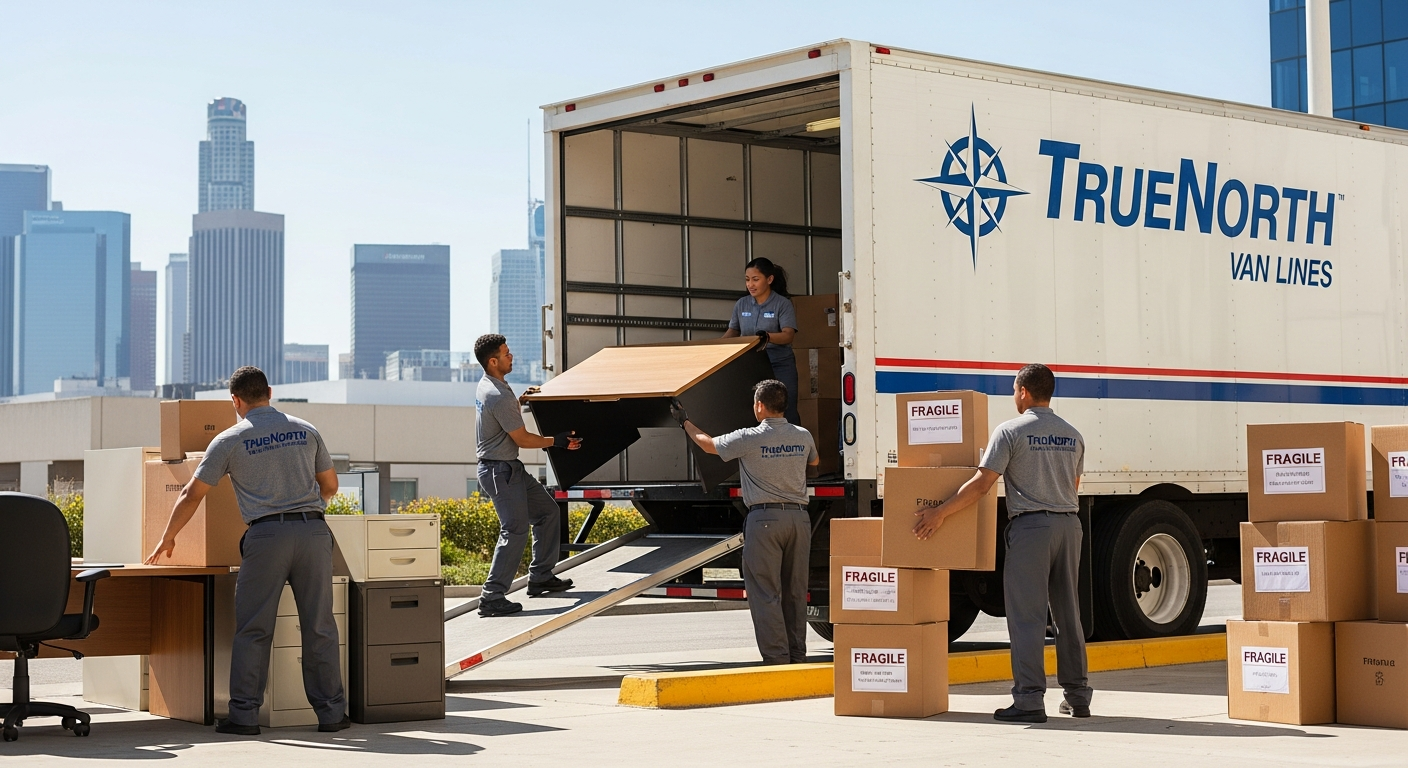
Moving a business from Los Angeles to San Francisco is a major project. You are not just changing zip codes; you are moving teams, equipment, data, and day-to-day operations more than 350 miles up the California coast. Every hour of downtime can affect your customers and your bottom line.
Success comes down to how well the move is planned, how organized your crews and vendors are, and how clearly your team understands the timeline from LA to San Francisco. Commercial relocations have many moving parts: building access windows, freight elevators, IT cutovers, parking permits, inventory, and specialized equipment. A structured plan and a reliable long-distance moving partner make the difference between a smooth transition and a stressful scramble.
This commercial moving guide focuses specifically on moving from LA to San Francisco. You will learn how to build a practical timeline, what affects Los Angeles to San Francisco moving costs, how to prepare your office or commercial space, how to compare long-distance estimates, and how to minimize downtime for your team. We will also show how TrueNorth Van Lines can support your relocation with long-distance moving services, professional packing, and secure storage when needed.
Use this guide as a step-by-step playbook. Share it with your internal move coordinator, facilities team, and department heads so everyone is working from the same plan.
Key takeaways
- Start planning your commercial move from LA to San Francisco 8–12 weeks in advance to secure dates, permits, and internal approvals.
- Key cost drivers include inventory volume, specialty items, access conditions at both buildings, and the exact services (packing, IT handling, storage) you select.
- Create a detailed inventory by department and assign a move captain for each area to coordinate labeling, purging, and packing.
- Schedule IT disconnection and reconnection around your move dates so your team has a clear cutover and minimal downtime.
- Walk both your Los Angeles and San Francisco buildings with your mover to review loading docks, elevators, stairwells, and any time restrictions.
- Keep critical items with you on moving day: key documents, access cards, passwords, backup drives, and essential devices.
- Use licensed, insured long-distance movers familiar with California commercial routes to help control risk, timing, and communication.
Understanding the LA to San Francisco commercial route
Moving from Los Angeles to San Francisco is one of the most common long-distance business relocations within California. While it is an in-state route, it should still be treated as a true long-distance move because your inventory, vehicles, and team will be spread across multiple locations for at least one to two days.
Typical travel distance and timing
The typical driving distance between most LA business districts and central San Francisco ranges roughly between 370 and 400 miles, depending on your start and end points. With a commercial truck, realistic transit time is often 7–10 hours, allowing for traffic and safety breaks. Many companies prefer a pickup day and a separate delivery day to coordinate building access and IT cutover.
When you are moving from LA to San Francisco, your schedule must account not just for road time, but also for:
- Freight elevator reservations in both buildings
- Loading dock windows and security protocols
- Parking permits or staging zones for the moving truck
- Local noise ordinances and after-hours restrictions
- Team work schedules and remote-work options during the move
Why commercial moves are more complex than residential moves
A commercial move involves more stakeholders and more dependencies than a typical household relocation. Office and commercial moves often include:
- IT infrastructure (servers, switches, wiring, phone systems, Wi-Fi)
- Specialized equipment (lab gear, copiers, production tools, sample storage)
- Shared spaces (conference rooms, training areas, break rooms)
- Regulated records or sensitive documents
- Multiple departments with different priorities and schedules
Because of this complexity, moving from LA to San Francisco for a commercial operation requires tight communication between your internal team and your long-distance moving partner. Having a dedicated project lead on both sides is one of the most effective ways to keep the move on track.
Recommended commercial moving timeline
A clear timeline keeps your LA to San Francisco relocation organized and prevents last-minute surprises. Below is a sample timeline for a mid-size office move. You can adjust it up or down depending on your company size.
| Timeframe | Key actions | Owner |
|---|---|---|
| 8–12 weeks before move | Confirm lease dates, select mover, define scope (packing, IT, storage), choose target move-in date in San Francisco. | Leadership, facilities, finance |
| 6–8 weeks before move | Detailed inventory by department, IT infrastructure review, confirm building rules in LA and SF. | Department heads, IT, facilities |
| 4–6 weeks before move | Order packing materials (if self-packing), assign move captains, communicate schedule to staff and vendors. | Facilities, HR, departmental leads |
| 2–3 weeks before move | Begin purging, packing non-essential items, label furniture and boxes, finalize access details with mover. | All staff, facilities, mover coordinator |
| Week of move | Pack workstations, protect equipment, IT shutdown plan, confirm truck arrival time and elevator reservations. | IT, facilities, move captains |
| Move days | Walkthrough with crew, sign documents, load and transport, receive shipment in San Francisco, direct placement. | Facilities, mover, on-site leads |
For a commercial move, this timeline works best when a single internal coordinator has authority to make decisions in real time, especially when something unexpected comes up in Los Angeles or at the new San Francisco site.
Example internal announcement: «Our office will be relocating from Los Angeles to San Francisco the week of October 14. Please have personal items removed and workstations packed by 3 p.m. on Thursday. IT will shut down the network at 5 p.m., and the moving crew will begin loading Friday morning.»
What affects LA to San Francisco moving cost
Moving from LA to San Francisco has a different cost profile than a short local move within a single metro area. Understanding the main cost drivers will help you budget and compare estimates realistically.
Primary cost factors
| Cost factor | How it affects price | What you can do |
|---|---|---|
| Size and weight of inventory | More furniture, files, and equipment require more truck space, labor, and fuel, increasing your LA to San Francisco moving cost. | Purge unneeded items, digitize records where possible, and donate or recycle obsolete furniture. |
| Packing level (self vs. full-service) | Professional packing adds labor time and materials but can reduce risk for delicate or high-value items. | Decide which areas need professional packing (IT, artwork, lab gear) and which can be packed by staff. |
| Building access in LA and SF | Long carries, limited loading docks, and stairs add labor time. Tight windows may require larger crews or after-hours surcharges. | Reserve freight elevators early, clear loading areas, and share accurate access details during your quote. |
| Specialty items and handling | Safes, large printers, lab equipment, or server racks may need extra materials, rigging, or third-party services. | Provide dimensions, weights, and photos of specialty pieces when requesting estimates. |
| Timing and seasonality | End-of-month, summer, and holiday periods are busier and may be priced higher. Weekend moves often carry premiums. | If possible, choose mid-week, mid-month dates and book early to lock in preferred time slots. |
Because every commercial move is unique, you will want a customized quote. You can use the moving cost calculator from TrueNorth Van Lines as a starting point for planning.
Budget ranges and contingencies
Instead of a single number, think in terms of a range plus a contingency. For example, once you have a written estimate, you might set aside an additional 10–15% contingency for unexpected tasks such as additional packing or extended elevator wait times.
Sample internal budget note: «Our preliminary LA to San Francisco moving estimate is in the range approved by finance. We are holding an additional 12% contingency to cover potential overtime or building access changes.»
Choosing the right moving and service level
Commercial customers moving from LA to San Francisco usually need more than a truck and crew. The right mix of services can improve efficiency and reduce internal workload.
Core service types to consider
| Service type | Best for | How TrueNorth Van Lines can help |
|---|---|---|
| Standard long-distance moving | Businesses with organized staff that will pack most items in advance. | Long-distance moving services include loading, transport, and unloading between LA and San Francisco with experienced crews. |
| Full-service packing and moving | Companies that want minimal staff involvement and faster setup at the new site. | TrueNorth can provide professional packing services for offices, files, artwork, and IT equipment. |
| Storage-in-transit | Situations where your San Francisco space is not ready by the time you must vacate the LA location. | Short- or longer-term secure storage services can bridge gaps in lease dates and construction schedules. |
| Hybrid approach | Most businesses, mixing staff packing with professional handling of sensitive or high-value areas. | TrueNorth can customize a plan so crews focus on complex or heavy items while your team handles simple desk contents. |
Discuss with your mover which combination of services best fits your timeline, budget, and internal capacity. For example, a law firm might prefer professional packing for sensitive files and library collections, while a marketing agency might focus more on protecting computers and large display screens.
Inventory planning for offices and commercial spaces
A clear, accurate inventory is the backbone of a successful commercial relocation. It informs your estimate, helps the crew plan, and keeps your LA to San Francisco shipping list organized.
Building your inventory by area
Start with a walkthrough of your current Los Angeles space and categorize items by department or zone:
- Reception and lobby
- Private offices and cubes
- Conference and training rooms
- Break rooms and kitchens
- Storage rooms and file areas
- IT rooms and server closets
- Production, lab, or specialized spaces
For each area, note the quantities of furniture, boxes, and special equipment. This is also a good time to decide what will not be moving from LA to San Francisco.
Sample inventory structure
| Area | Items to list | Notes |
|---|---|---|
| Workstations | Desks, chairs, monitors, docking stations, personal storage units. | Indicate which items go to specific departments or floors in San Francisco. |
| Conference rooms | Tables, chairs, screens, whiteboards, A/V equipment. | Note fragility and whether walls or ceiling-mounted items need dismounting. |
| IT and server rooms | Racks, servers, switches, UPS units, bundles of cabling, backup drives. | Coordinate with IT and consider separate, specialized packing. |
| Storage and files | File cabinets, archive boxes, shelving, sample inventory. | Flag items that can be digitized or shredded prior to the move. |
Labeling for a multi-floor San Francisco office
Proper labeling is critical when your destination is a multi-floor or multi-suite San Francisco office. Agree on a simple labeling system with your mover. For example:
- Floor number (e.g., 17)
- Department code (e.g., FIN for Finance)
- Workstation or room number (e.g., WS-12 or CONF-A)
Example label text: «17-FIN-WS12» or «18-MKT-CONF-B»
Share a floor plan with matching codes so the crew can place items correctly the first time. This reduces disruption once your team arrives and shortens your setup time.
How to prepare before movers arrive
Good preparation before the moving crew arrives in Los Angeles sets the tone for the entire relocation. It also helps keep your LA to San Francisco moving cost under control by minimizing last-minute delays.
Two to three weeks before pickup
- Confirm move dates and arrival windows with your long-distance mover.
- Submit any required certificates of insurance to building management in both cities.
- Reserve freight elevators and loading docks for your loading and delivery days.
- Begin purging old files, broken equipment, and unneeded furniture.
- Provide your mover with updated floor plans and inventory if anything has changed.
Week of the move
- Distribute packing instructions and deadlines to all departments.
- Ensure boxes are labeled clearly on at least two sides and the top.
- Back up critical data and confirm that backup copies will travel separately.
- Prepare a staging area near the loading zone for items that will go on the truck first.
- Review the plan with your mover’s on-site lead. Clarify building rules and priorities.
Example email to staff: «All desk items must be in labeled boxes by Wednesday at 4 p.m. Monitors should remain on desks; the moving crew will handle them with padded materials. Please take personal valuables home rather than sending them on the moving truck.»
Morning of pickup in Los Angeles
- Walk the space with the crew supervisor to confirm scope, fragile items, and priority rooms.
- Point out any items that are not going to San Francisco (to be left, donated, or discarded).
- Confirm labeling for multi-stop deliveries or storage-in-transit if applicable.
- Keep pathways clear and elevators ready at the agreed times.
- Have the person authorized to sign paperwork available on-site.
How to compare long-distance moving estimates
When moving from LA to San Francisco, it is common to collect multiple estimates. To make a fair comparison, look past the totals and review what each quote actually includes.
Key elements to review
| Quote component | What to check | Questions to ask |
|---|---|---|
| Scope of work | Exactly what the mover is responsible for vs. what your team will handle. | «Does this include packing computers, or only loading and unloading boxes we packed?» |
| Inventory assumptions | Number of workstations, boxes, special items, and any weight estimates. | «What happens if our actual inventory is higher or lower than this list?» |
| Access conditions | Assumptions about elevator access, long carries, and stairs at each location. | «Is there an extra charge if we need to use stairs or if elevator access is delayed?» |
| Valuation and coverage options | Type of protection offered for your goods during transit and handling. | «What coverage levels are available for our higher-value equipment or inventory?» |
| Additional fees | Possible charges for overtime, fuel, storage, or date changes. | «Under what circumstances could the final cost be higher than this estimate?» |
Ask for your estimates in writing and ensure they clearly describe the services you are expecting. Written moving estimates and the agreement or bill of lading will govern much of your move, so they should match your understanding of the plan.
Moving day in Los Angeles and in San Francisco
Moving day for a commercial LA to San Francisco relocation usually spans more than one calendar day: one or more days for loading in LA, transit overnight or over a day, and one or more days for delivery and setup in San Francisco.
Best practices for loading day in Los Angeles
- Have your internal move coordinator on site from start to finish.
- Walk each floor with the crew leader, highlighting fragile or high-priority items.
- Use signage to mark areas that are fully packed and ready to load vs. areas that are still in use.
- Keep staff presence limited to avoid crowded hallways while the crew is moving large items.
- Collect keys, access cards, and signage that will be needed in San Francisco.
Arrival and delivery in San Francisco
- Arrive at the new space before the truck so you can unlock, inspect, and verify elevator readiness.
- Post floor plans with labeling codes (e.g., «17-FIN-WS12») near the entrance for the crew to reference.
- Escort the crew to key rooms (server room, file storage, production areas) so they understand your priorities.
- As items come off the truck, confirm placement or staging zones to keep hallways clear.
- Complete a walkthrough at the end of the day and note any concerns with the crew leader.
Plan for some departments to work remotely for a day or two while furniture and IT are finalized. With a well-planned commercial move from LA to San Francisco, many businesses can resume core operations quickly, then refine the layout over the next week.
What to keep with you on moving day
Even with a professional moving company, there are some items that should usually travel with your internal team rather than on the commercial truck.
- Legal and financial documents, contracts, and check stock
- Portable backup drives and critical data devices
- Company stamps, corporate seals, and secure tokens
- Keys, keycards, and access fobs for both buildings
- Small electronics that staff rely on immediately (laptops, tablets, phones)
- Short-term supplies needed on day one (basic office supplies, power strips, chargers)
- A printed contact list, floor plans, and your move schedule
Assign responsibility for these items to specific individuals. Do not leave them unattended in hallways or desk drawers on moving day.
Common LA to SF moving mistakes and how to avoid them
Commercial moving from LA to San Francisco is more predictable when you avoid common pitfalls. Use this checklist to pressure-test your plan.
| Common mistake | Risk created | How to avoid it |
|---|---|---|
| Booking too late | Limited date options, higher prices, and rushed planning. | Start the process 8–12 weeks out, especially for larger offices or peak seasons. |
| Underestimating inventory | Trucks may be too small, labor may be insufficient, and final costs may differ from expectations. | Work with your mover on a detailed inventory walkthrough and keep them updated on changes. |
| Poor labeling | Confusion in San Francisco, lost productivity, and longer setup time. | Adopt a clear, consistent labeling system shared with the moving crew. |
| Ignoring building rules | Delays if security denies access or elevators are not reserved properly. | Coordinate early with building management in both LA and SF for move dates and insurance certificates. |
| Inadequate IT planning | Extended downtime and frustrated staff if systems are offline longer than expected. | Create a dedicated IT move plan with backup, shutdown, transport, and reconnection steps. |
- Confirm who will be on site to direct the crew in both cities.
- Ensure your internal move coordinator has decision-making authority on move days.
- Review coverage options with your mover in advance.
- Document the condition of major items before the move.
How TrueNorth Van Lines supports LA to San Francisco moves
TrueNorth Van Lines provides long-distance moving services for commercial and residential customers across the United States, including companies moving from LA to San Francisco. Our focus is on organized planning, careful handling, and clear communication so you know what to expect at every stage.
For LA to San Francisco commercial relocations, TrueNorth Van Lines can:
- Provide on-site or virtual move consultations to review your inventory, timeline, and building access.
- Offer long-distance moving services tailored to the size and complexity of your business.
- Supply professional packing services for offices, files, IT equipment, and specialized items when requested.
- Arrange secure storage services if your San Francisco space is not ready when you must leave Los Angeles.
- Coordinate with your internal move coordinator, IT team, and building management so everyone is aligned on the plan.
You can review our service areas, learn more about TrueNorth Van Lines, and see customer feedback on our reviews page.
Helpful TrueNorth Van Lines services
For additional planning ideas or to see how other customers approach their relocations, you can also review the TrueNorth Van Lines blog.
Frequently asked questions
How far in advance should we book our LA to San Francisco commercial move?
For most commercial moves, booking 8–12 weeks in advance is recommended. This gives you time to secure building approvals, plan IT cutover, and reserve your preferred moving dates.
Is a move from Los Angeles to San Francisco considered long-distance?
Yes. Even though it is within California, the distance and logistics make it a long-distance move. That is why many businesses use dedicated long-distance moving services for this route.
How is the cost of a commercial move from LA to San Francisco calculated?
Costs are typically based on the amount and weight of your inventory, the level of packing service selected, building access in both cities, specialty items, and timing. A written estimate based on a detailed inventory will provide the most accurate pricing.
Can our staff pack their own desks and leave the rest to the movers?
Yes. Many businesses use a hybrid model. Staff pack personal and low-risk items, while professional packers handle fragile equipment, IT, and high-value areas to reduce risk and save time.
What is the typical transit time between Los Angeles and San Francisco?
Transit time is usually one day, though loading and delivery can span multiple days depending on building access, inventory size, and your schedule.
Do we need special insurance or coverage for a commercial move?
Most movers offer valuation options that provide a specific level of protection for your goods during transit. You should also review your own business or property policies to understand how they apply to a relocation.
How should we move our server room and sensitive IT equipment?
Coordinate directly with your IT team and your mover. Often, servers and networking gear are packed using specialized materials, labeled carefully, and transported with extra precautions. Backups should be created and stored separately.
What if our San Francisco office is not ready when we need to leave Los Angeles?
In that case, storage-in-transit can bridge the gap. Your mover can load and store your items securely, then deliver them once your new space is ready for occupancy.
Can we move after normal business hours to reduce disruption?
Many commercial moves are scheduled for evenings or weekends to limit downtime and elevator conflict. Check with building management in both cities about allowed hours and any additional conditions.
How do we get a detailed quote for our LA to San Francisco move?
You can request a free moving quote from TrueNorth Van Lines, share your inventory and building details, and receive a written estimate outlining services and pricing.
Sources referenced in this guide
Commercial moves from LA to San Francisco involve transportation rules, consumer protections, and contractual documents. When planning your relocation, you may also review information from:
- Federal Motor Carrier Safety Administration consumer guidance
- U.S. Department of Transportation moving guidance
- State transportation or consumer protection agencies
- Building management move-in and move-out requirements
- Written moving estimates and bills of lading
- Carrier tariffs, valuation options, and service agreements
These resources, combined with a detailed discussion with your chosen mover, will help you understand your rights, responsibilities, and available coverage options.
To explore more planning ideas and moving checklists, you can visit the TrueNorth Van Lines home page and navigate to the moving services and blog sections.
This guide is general moving information, not legal, insurance, or regulatory advice. Moving requirements, pricing, access rules, and coverage options may vary by location, move type, building rules, and service agreement.