
Short-Term vs. Long-Term Moving Storage: Which Do You Need?
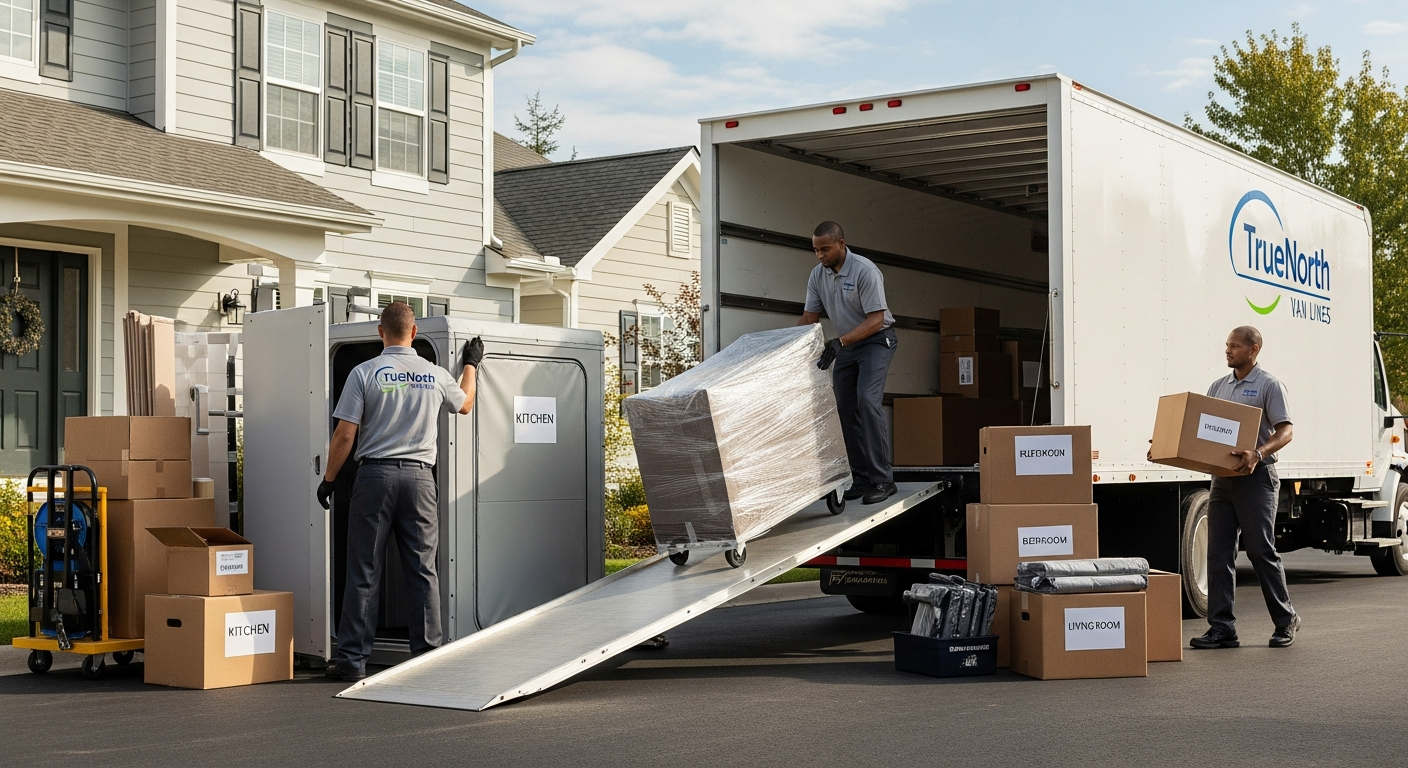
When you are planning a move, one of the most confusing decisions is what to do with your belongings that cannot go directly from Point A to Point B. Maybe your new place is not ready, you are downsizing, you are relocating for work on a temporary assignment, or you are still house hunting. In all of these situations, you have to decide between short-term vs. long-term moving storage and how that choice affects cost, timing, and stress.
Choosing the wrong type of storage can mean paying for more time than you need, moving your items multiple times, or risking damage because boxes were not packed for the right length of stay. Choosing well means a smoother move, a clearer budget, and easier access to what you need during the transition.
This detailed guide from TrueNorth Van Lines walks you through everything you need to know about short-term vs. long-term moving storage: how each option works, what it costs, when to use it, how to pack for each, and how to coordinate storage with your local or long-distance move. You will also find timelines, checklists, example scenarios, and practical questions to ask before you book storage with any mover.
Our goal is to help you feel prepared, confident, and organized so you can choose the storage plan that fits your situation and then coordinate it with professional local moving services, long-distance transportation, packing, or other support as needed.
Key takeaways
- Short-term storage usually means a few days up to about three months; long-term storage is several months or more, often tied to bigger life changes.
- Short-term storage works best during gaps between move-out and move-in dates, short remodels, or quick job relocations; long-term is better for extended travel, military moves, or serious downsizing.
- The biggest cost drivers for moving storage are volume, length of time, access needs, distance between locations, and whether you include professional packing.
- Packing for long-term storage requires sturdier materials, extra protection from dust and temperature changes, and more detailed labeling than quick short-term storage.
- Using your moving company's storage can reduce the number of times your items are handled and simplify logistics compared with separate self-storage.
- Before booking storage, confirm licensing and insurance, inventory procedures, access rules, and how delivery from storage back to your home will be scheduled and priced.
- A clear item-by-item inventory and a basic moving-day essentials kit prevent most of the frustration that people experience when using storage during a move.
What is moving storage and how does it work?
Moving storage is temporary or extended space used to hold your belongings when they cannot go directly from your old home or office into the new one. Instead of completing your move in one day, your items are picked up, stored safely, then delivered later when you are ready.
With a company like TrueNorth Van Lines, moving storage can be paired with:
- Local moves within the same metro area
- Long-distance or interstate relocations
- Apartment or condo moves with complicated building schedules
- Office or commercial moves that must be phased in stages
- Senior moves and downsizing where decisions take more time
Typical moving storage process
- Walk-through or virtual survey to estimate volume and discuss timing
- Written estimate that includes transportation, storage, and any packing
- Pickup day: movers protect furniture, load boxes, and transport to storage
- Storage period: items stay in secure warehouse or containers for a set time
- Delivery request: you contact the mover when you are ready for delivery
- Delivery day: items are delivered from storage to your new home or office
Example conversation starter with a moving consultant:
«We will be out of our current place on the 15th, but the new lease starts on the 1st of next month. We need storage for about two weeks and then delivery. What does that look like with your storage services?»
Short-term vs. long-term storage: quick comparison
Short-term and long-term moving storage share the same basic idea, but they are used very differently. Here is a side-by-side overview to help you see which matches your situation.
| Factor | Short-term storage | Long-term storage |
|---|---|---|
| Typical duration | A few days up to ~3 months | 3 months to several years |
| Common reasons | Closing delays, short remodels, lease gaps, staging a home | Extended travel, military deployment, long house hunt, long remodel, downsizing |
| Packing approach | Standard moving boxes, basic protection | Extra padding, sturdier materials, careful moisture and dust protection |
| Access needs | Often minimal or none during storage window | May want periodic access or staged deliveries |
| Budget impact | Limited total cost because of short time frame | Ongoing monthly cost; per-month rate may be lower |
In this guide, we will treat roughly three months or less as «short-term» and anything longer as «long-term,» but your needs may blur the line. The key is to plan your packing, insurance, and budget around how long you realistically expect items to stay in storage.
When short-term moving storage makes sense
Short-term storage is extremely common during moves. Many customers who call TrueNorth Van Lines are dealing with one of these situations:
1. Gap between move-out and move-in dates
You might have to move out of your home by Friday, but your new lease or closing does not happen until the following week. Instead of scrambling to find friends with garages or crowding a small hotel room with boxes, short-term storage bridges that gap.
- You move out on schedule.
- Your belongings stay in a secure warehouse or in storage containers.
- You move in once your keys are ready.
2. Short remodels or repairs
If contractors need a room or your whole home cleared for a few weeks, short-term storage protects your furniture and belongings from dust, paint, and accidental damage.
- Kitchen updates where cabinets and appliances must be removed
- Floor refinishing where furniture needs to be out of the space
- Water damage repairs or mold remediation
3. Staging your home for sale
Real estate agents often recommend decluttering or partially emptying your home to make rooms feel bigger and brighter. Short-term storage works well when you plan to list and sell within a few weeks to a few months.
4. Temporary job assignments or internships
Sometimes you know you will be back in the same city soon but need to move out of your place now. Short-term storage is useful for:
- Summer internships where student housing is not available off-season
- Short-term travel nursing or contract work
- Seasonal work where you plan to return home after a few months
Sample way to explain your situation to a mover:
«We are renovating the downstairs for six weeks and need somewhere to put our furniture so the contractors are not working around it. We want everything picked up, stored, and then brought back when they are finished.»
Signs short-term storage is right for you
- You have reasonably firm dates for move-out and move-in.
- You expect to access your stored items only at delivery, not during storage.
- You want to keep costs contained and do not want an ongoing monthly bill.
- Your main goal is bridging a time gap, not long-term decluttering or downsizing.
When long-term storage is the better choice
Long-term moving storage is more than a quick bridge. It is a solution for bigger life changes where you need to store items for several months or even years.
1. Extended work relocation or deployment
If you are relocating for work on a multi-year assignment, relocating overseas, or deploying with the military, you may not want to sell or move everything you own. Long-term storage allows you to:
- Keep furniture, heirlooms, and household goods in the U.S. while you are away
- Store nonessentials while you move with a smaller shipment
- Return later and either move items into a new home or downsize thoughtfully
2. Long house-hunting or building timelines
Buying land, building a new construction home, or searching for the right house in a new state can easily take six months to a year. Long-term storage is often the most practical option while you:
- Rent a small apartment or stay with family temporarily
- Leave most of your belongings packed and stored until you close on the right home
- Avoid moving furniture multiple times into short-term rentals
3. Major downsizing and life transitions
For seniors or families consolidating multiple households, deciding what to keep, donate, or pass down can take time. Long-term storage gives breathing room so you can:
- Move into a smaller residence with just the essentials first
- Store sentimental items while you sort, photograph, or distribute them
- Stage decisions over several months instead of rushing under pressure
4. Long remodels or phased construction
Large-scale remodels and phased construction projects may render significant parts of your home unusable for many months. In these cases, long-term storage may be more efficient than constantly rearranging belongings around construction zones.
Signs long-term storage is right for you
- You do not have a clear move-in date yet, or it is more than three months away.
- You are moving out of state or overseas but want to keep household goods in the U.S.
- You are combining or splitting households and are not ready to finalize every decision.
- You want the flexibility to keep items stored and request a staged or partial delivery later.
What affects the cost of moving storage?
Whether you choose short-term or long-term storage, several major factors determine your final cost. Understanding these in advance helps you budget more accurately and compare estimates from different movers.
Key cost drivers
| Cost factor | How it affects price | Planning tip |
|---|---|---|
| Volume or weight of items | More boxes and larger furniture require more storage space and bigger trucks, raising both storage and transportation costs. | Declutter before your survey so you only store what you truly need. |
| Length of storage | Longer storage multiplies monthly or daily rates; long-term plans may have better per-month pricing but higher totals overall. | Estimate realistic dates; avoid paying for more months than necessary. |
| Type of storage | Full-service storage with a moving company usually includes handling and inventory; private self-storage may have different pricing structures. | Compare not just the storage rate but also transport, time, and effort. |
| Access frequency | Needing frequent access or partial pull-outs from storage can increase handling charges. | Decide which items must stay with you so you rarely need mid-storage access. |
| Packing services and materials | Professional packing adds to upfront cost but can reduce damage risk, especially for long-term storage. | Use professional packing at least for fragile, high-value, and long-stored items. |
Using tools to plan your storage budget
TrueNorth Van Lines provides a moving cost calculator you can use to start estimating how the size and type of your move may influence total cost. For a firm quote that includes storage, it is important to speak with a moving consultant, walk through your inventory, and discuss timing.
Once volume and timing are clear, your written estimate should separate transportation, labor, and storage charges when possible, so you can see what happens if your storage period is shorter or longer than planned.
How to pack differently for short-term vs. long-term storage
Packing is where the difference between short-term vs. long-term moving storage becomes very real. Items stored for just a couple of weeks do not face the same risks as items sitting for a year or more. Adjusting your packing strategy helps protect your belongings and avoid surprises when you open boxes later.
Short-term storage packing guidelines
- Standard moving boxes are usually fine if they are not overpacked or crushed.
- Furniture should be padded and shrink-wrapped by movers to protect from dings and dust.
- Everyday items you will need soon should go near the front of the load or in clearly labeled boxes.
- Liquids and perishable items should still be excluded; they are not suitable for any storage.
Long-term storage packing guidelines
- Use high-quality, sturdy boxes that can handle being stacked for months.
- Wrap furniture in breathable moving pads and appropriate coverings; avoid sealing wood inside plastic for long periods without advice from your mover.
- Use extra cushioning for fragile items to minimize shifting during long-term storage.
- Use sealed plastic totes for items that are more vulnerable to dust or moisture (where appropriate).
- Label boxes with detailed contents and the room they belong to at the future home.
Packing priorities table
| Item type | Short-term storage focus | Long-term storage focus |
|---|---|---|
| Clothing and linens | Clean and dry; regular boxes or wardrobe boxes are fine. | Completely dry, protected from dust; consider plastic bins for off-season storage. |
| Electronics | Basic padding and stable placement; keep remotes and cables with each device. | Extra padding, original boxes if available; clearly labeled and stored away from heavy items. |
| Books and documents | Small boxes so weight is manageable. | Small, sturdy boxes, ideally stored off the floor as an additional precaution. |
| Fragile decor and glassware | Wrap individually, fill empty space in boxes. | Double-boxing or dish packs; extra cushioning around edges and corners. |
Leveraging professional packing services
If you are leaning toward long-term storage or storing high-value items, consider using TrueNorth Van Lines professional packing services at least for part of your shipment. Experienced packers know how to:
- Choose the right box size and packing material for each item
- Create secure layers insulating fragile items from pressure and movement
- Label boxes and build an inventory that makes long-term storage easier to manage
Some customers choose a hybrid plan: they pack everyday items themselves and hire professionals to pack artwork, electronics, kitchen breakables, and other sensitive items.
Timeline planning: coordinating moving, storage, and delivery
A successful storage-supported move is all about timing. Whether you need short-term or long-term storage, planning your timeline with your moving company reduces last-minute surprises and extra charges.
Basic move + storage timeline example
| Stage | Typical timing | Key tasks |
|---|---|---|
| Planning and estimates | 4–8 weeks before move | Inventory, decluttering, comparing moving and storage options, reserving dates. |
| Packing and prep | 1–3 weeks before move | Pack nonessentials, separate items that will stay with you from those going to storage. |
| Pickup and load to storage | Move-out day | Movers load, protect furniture, create inventory, transport to storage facility. |
| Storage period | Days to months or more | You confirm final address and timing; pay any monthly storage charges as agreed. |
| Delivery from storage | When home is ready | Schedule delivery, ensure access at new location, review inventory on arrival. |
Planning tips for short-term storage timelines
- Try to lock in both pickup and delivery dates when you reserve your move.
- Ask how flexible your delivery date can be if closing dates shift slightly.
- Keep a small buffer between your expected move-in date and other major commitments, like starting a new job.
Planning tips for long-term storage timelines
- Clarify how much notice the company needs to arrange delivery from storage.
- Ask how often you will receive storage statements or invoices.
- Make sure the mover knows if you might request a partial or staged delivery later.
Choosing between self-storage, moving-company storage, and hybrids
When comparing short-term vs. long-term moving storage, you also need to decide who will provide the storage. Many customers consider three basic options:
- Self-storage units you rent directly
- Full-service storage with a moving company
- A hybrid approach combining both
Advantages of moving-company storage
- Fewer handlings: Movers load your items once, store them, then deliver directly to your new home.
- Professional wrapping and loading designed for storage and transport.
- Inventory systems that track what you have in storage.
- Single point of contact for the entire process.
When self-storage might fit
- You want to visit your items frequently and on your own schedule.
- You are storing a small volume and can move items with your own vehicle.
- You already have an existing unit and want to keep using it.
Hybrid approaches
Hybrid strategies can work well for both short-term and long-term storage. For example:
- Use moving-company storage for most furniture and household goods.
- Rent a small self-storage unit near your temporary housing for seasonal items you will access regularly.
TrueNorth Van Lines can help you decide what should go into secure storage services with your move, and what might be easier to keep with you or place elsewhere.
Questions to ask before booking storage with a mover
Before you sign any agreement, it is important to understand how storage will work in practice. Here are questions that help you compare providers and avoid surprises.
- Is the company properly licensed and insured for moving and storage?
- How are storage charges calculated and billed (daily, weekly, monthly)?
- Where will my belongings be stored, and what type of facility is it?
- Will my items be in individual containers, vaults, or open racking?
- How is inventory handled? Will I receive a copy?
- What are the rules and any fees for accessing my belongings while in storage?
- How much notice is required to schedule delivery from storage?
- What are the available valuation or coverage options while items are stored?
- What happens if my storage period ends up shorter or longer than expected?
Example phrasing you can use:
«We are still finalizing our housing plans, so the storage length is not exact. Can you explain how the pricing works if we need only two months instead of four, or if we end up needing longer than we expected?»
Common mistakes and how to avoid them
| Mistake | Potential impact | Better approach |
|---|---|---|
| Underestimating storage time by months | Budget surprises and rushed decisions when storage must be extended. | Plan for a realistic window and ask for pricing scenarios for longer stays. |
| Not confirming access rules ahead of time | Frustration if you need something from storage and cannot get to it easily. | Keep essentials with you, and ask clearly about mid-storage access. |
| Skipping inventory | Harder to confirm everything was delivered, and more stress if something feels missing. | Use the mover's inventory and add your own notes or photos. |
What to keep with you instead of in storage
Whether you select short-term or long-term storage, certain items should stay with you. These essentials save you from emergency trips to the store or complicated mid-storage access requests.
Personal essentials
- Important documents (IDs, passports, financial records, insurance policies)
- Medications and basic medical supplies
- A week or more of clothing and toiletries for each family member
- Work essentials such as laptops, chargers, and anything you need for remote work
Household basics for arrival
- Simple bedding for the first night or two (sheets, pillows, a blanket)
- Basic kitchen kit (a few plates, utensils, mugs, and a small pan)
- Cleaning supplies and trash bags
- Basic tools (screwdriver, box cutter, measuring tape)
Valuables and sentimental items
- Jewelry and watches
- Small heirlooms that cannot easily be replaced
- Portable hard drives or irreplaceable records
- Family photo albums if they are not backed up digitally
Think of it as a «life support» kit: everything you need to live comfortably and handle basic tasks for at least several days, even if storage delivery takes longer than expected.
How TrueNorth Van Lines can help with storage and moving
Coordinating short-term vs. long-term moving storage does not have to be confusing. TrueNorth Van Lines offers integrated solutions that combine transportation, local moving services, long-distance moving, professional packing services, and secure storage services so you have a single organized plan.
Benefits of pairing storage with TrueNorth Van Lines
- Licensed and insured crews handle your belongings from pickup through storage and final delivery.
- Coordinated scheduling across moving, storage, and packing support.
- Clear expectations about how your items are protected and inventoried while stored.
- Options for both residential and commercial storage tied directly to your move.
Helpful TrueNorth Van Lines services
When you reach out, a moving consultant can walk through your inventory, timing, and goals. Together you can determine whether your situation fits short-term storage, long-term storage, or a combination.
Checklists to get ready before movers arrive
- Create an item list or quick video walk-through of each room so you remember what is going into storage.
- Separate items that will stay with you from those going to storage by using colored tape or clearly labeled «DO NOT STORE» boxes.
- Confirm building regulations for move-out and move-in times and elevator reservations.
- Review your written estimate and ask any final questions about storage charges and delivery timing.
Frequently asked questions
How long is considered short-term vs. long-term moving storage?
Short-term moving storage is typically a few days to about three months, often used for timing gaps between homes or short remodels. Long-term storage usually means three months or more, and is common for extended relocations, long remodels, or downsizing.
Is it cheaper to use self-storage or a moving company's storage?
Self-storage can look cheaper on paper, but you must handle transportation yourself. Moving-company storage can reduce the number of times items are moved and loaded. The best value depends on how much you are storing, how long, and how often you need access.
Can I access my belongings while they are in storage with the mover?
Policies vary by company. Some allow access by appointment, sometimes with handling fees. Others are designed mainly for no-access storage until final delivery. Ask about access rules before you book and keep essentials with you rather than in storage.
How should I pack for long-term storage?
Use sturdy boxes, avoid overpacking, wrap fragile items carefully, and label boxes with detailed contents. For long-term storage, consider extra protection such as double-boxing delicate items and using sealed containers where appropriate.
What items should never go into moving storage?
Do not store perishable food, plants, hazardous materials (like paints and fuels), firearms where not permitted, or important documents that you may need unexpectedly. Keep medications, passports, and financial records with you.
Can I switch from short-term to long-term storage if my plans change?
Often yes, but you should confirm this with your mover. Many customers start with short-term plans and extend. Ask how extensions are billed and what notice is required if your timeline changes.
Does insurance or valuation cover my belongings in storage?
Moving companies typically offer valuation options that apply during transportation and storage, but coverage levels and terms vary. Review the options in your written estimate and ask specific questions so you understand what is and is not covered.
How far in advance should I book moving storage?
For peak seasons, booking four to eight weeks in advance is helpful. For smaller local moves and short-term storage, there may be more flexibility, but earlier booking gives you better date options and more time to plan.
Can I store items if I am only moving locally?
Yes. Many local moves include short-term or long-term storage, especially when closing dates do not align or when clients are renovating. Local moving plus storage can be set up as a single coordinated service.
How do I get a quote for moving storage with TrueNorth Van Lines?
You can start by using the moving cost calculator to explore budget ranges, then request a free moving quote for an estimate that includes storage, packing, and transportation tailored to your move.
Sources referenced in this guide
Guidance in this article reflects practical moving and storage practices commonly recommended by:
- Federal Motor Carrier Safety Administration consumer guidance
- U.S. Department of Transportation moving guidance
- State transportation or consumer protection agencies
- Building management move-in and move-out requirements
- Written moving estimates, inventories, and bills of lading
- Carrier tariffs, valuation options, and service agreements
Before your move, it is wise to review your own service agreement and any building or community rules that may apply to moving and storage.
Related moving guides
When you are ready to decide between short-term vs. long-term moving storage, a brief conversation with a moving consultant can clarify which option fits your move, how much space you will need, and how to coordinate storage with transportation and packing.
To explore options with TrueNorth Van Lines, review our moving services, check our service areas, browse the TrueNorth Van Lines blog for more planning tips, use the moving cost calculator, or request a free moving quote tailored to your storage and moving needs.
This guide is general moving information, not legal, insurance, or regulatory advice. Moving requirements, pricing, access rules, and coverage options may vary by location, move type, building rules, and service agreement.