
Moving to California Checklist: DMV, Utilities, and Residency
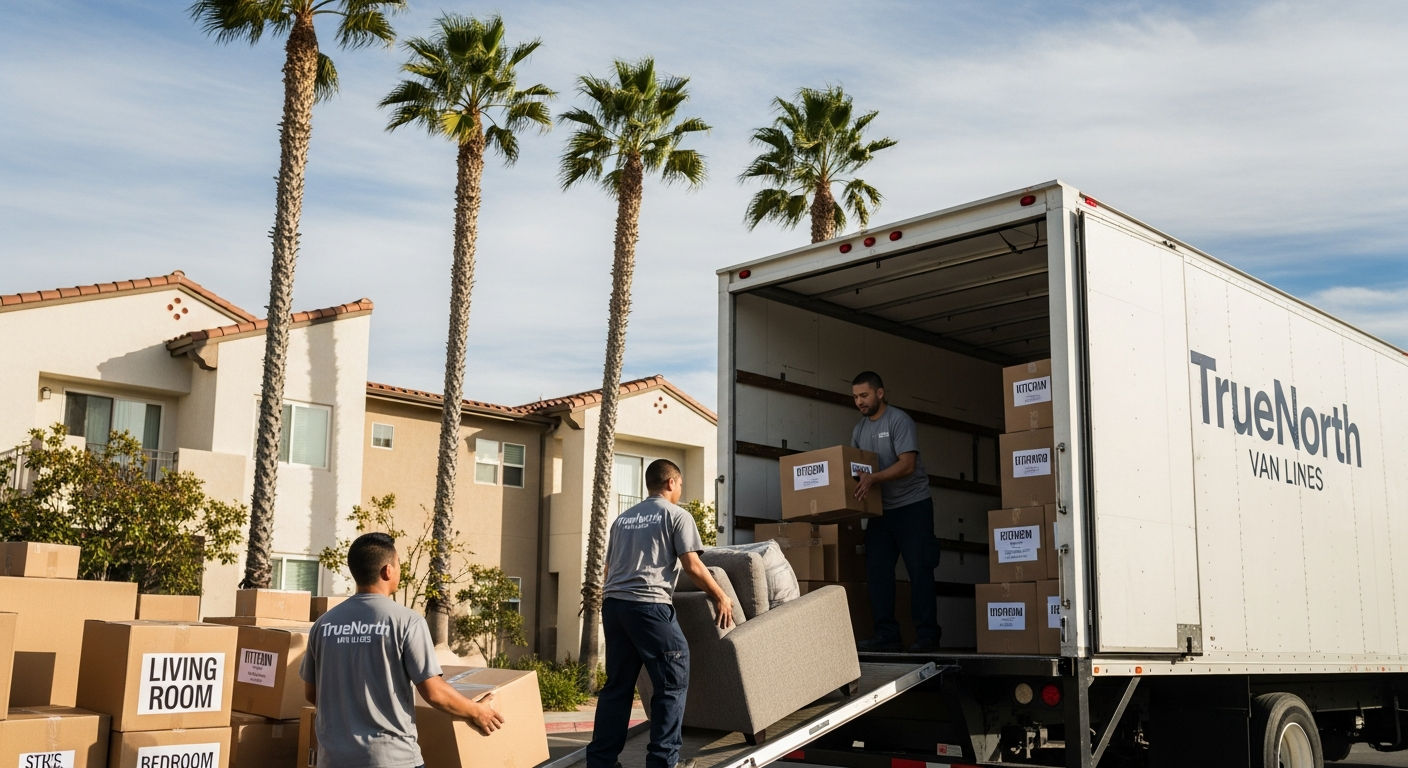
Moving to California can feel exciting and overwhelming at the same time. Between long-distance logistics, California DMV rules, utility transfers, and planning moving day details, it is easy to overlook critical steps that affect cost, timing, and stress levels.
A well-planned moving to California checklist helps you stay organized from your first quote request through move-in day. When you understand how long-distance moves are priced, how to prepare your home, and what needs to be done for residency and utilities, you can make better decisions and avoid last-minute problems.
This guide from TrueNorth Van Lines walks you through a practical, step-by-step approach to a California relocation. You will learn how to compare long-distance moving options, prepare your inventory, coordinate access at your new California home, and stay ahead of DMV and utility requirements. Along the way, we will outline how a professional mover like TrueNorth Van Lines can support you, without pushing services you do not need.
Whether you are moving to Los Angeles, relocating for work to the Bay Area, or planning a retirement move to a quieter California town, you can use this article as a working checklist and planning tool.
Key takeaways
- Start planning your California move at least 8 weeks in advance, especially for long-distance relocations into major metros like Los Angeles.
- Moving costs are driven mainly by distance, shipment size, access conditions, and service level (self-packed vs. full packing and storage).
- A detailed inventory list and clear packing plan help you receive accurate quotes and reduce last-minute surprises on move day.
- New California residents must update driver licenses, vehicle registrations, and insurance within strict timelines, so build DMV tasks into your checklist.
- Confirm building rules, parking permissions, and elevator reservations at both your origin and new California address well before moving day.
- Use secure storage strategically if your move-in date in California does not align with your move-out date from your current home.
- Working with a licensed, insured mover like TrueNorth Van Lines can streamline planning, protect your belongings, and keep the move on schedule.
Understanding long-distance moves to California
Relocating to California from another state is usually considered a long-distance or interstate move. These projects involve additional planning compared to a quick local relocation across town. Your belongings travel farther, travel times can vary, and schedules need to account for route restrictions, weather, and delivery windows.
TrueNorth Van Lines handles long-distance moving for households and businesses heading into or out of California. Even if you are still comparing options, it helps to understand what is unique about long-distance service so your moving to California checklist is realistic.
What makes a move long-distance?
While every company has its own definitions, a move is usually treated as long-distance when:
- It crosses a state line (interstate move).
- The distance between your current home and destination is several hundred miles.
- Your shipment requires multi-day transit and dedicated route planning.
For many customers relocating to California, this means planning for pickup and delivery windows instead of exact times, and being flexible with transit days while still protecting your schedule.
Why planning matters more for California-bound moves
California has dense urban areas, strict building rules in major cities, and heavy traffic that can affect timing. For example, if you are moving into a Los Angeles apartment with limited street parking, the driver may need a permit and carefully timed loading-zone access. Suburban moves can also require gate codes, neighborhood parking restrictions, and coordination with homeowners associations.
Without planning those details in advance, even a well-organized long-distance move can slow down, increasing both stress and labor time. A clear checklist gives your moving crew what they need to succeed.
Basic long-distance move structure
Most long-distance moves into California follow a similar basic structure:
- Initial consultation and estimate based on inventory and access notes.
- Scheduling of pickup and target delivery window.
- Optional packing services before pickup day.
- Loading, transportation, and tracking of your shipment.
- Delivery, unloading, basic placement, and any agreed assembly.
Each step should be reflected in your personal moving to California checklist so that nothing is left to chance.
California move timeline and checklist
Staying on track is easier when you break your move into weeks and assign specific tasks. The following timeline is a practical framework that you can customize for your own schedule.
| Timeframe | Key tasks | Notes |
|---|---|---|
| 8+ weeks before | Research movers, request estimates, review lease or HOA rules | Ideal time to contact TrueNorth Van Lines for quotes |
| 6 weeks before | Declutter, finalize mover choice, reserve dates | Lock in desired pickup window |
| 4 weeks before | Begin non-essential packing, schedule utilities and internet | Set California utility start dates |
| 2 weeks before | Confirm building access, parking, elevator reservations | Update movers on any changes |
| 1 week before | Finish most packing, set aside essentials box, confirm DMV plan | Prepare documents for California DMV |
| Moving day | Walkthrough, oversee load, verify inventory and paperwork | Keep valuables and documents with you |
| Arrival in CA | Utility checks, DMV visits, unpacking | Confirm address changes and registrations |
8+ weeks before moving to California
- Clarify your target move-out and move-in dates.
- Decide if you prefer full-service packing or self-packing with some help.
- Research licensed, insured long-distance movers.
- Request estimates using realistic inventory information.
- Review California lease, HOA, or building management rules for move-in.
Sample email to a property manager: «I am moving into your building from out of state and need to understand your move-in requirements, including elevator reservations, insurance certificates for my movers, and any restricted hours for loading and unloading.»
4–6 weeks before your move
- Book your preferred mover and confirm dates in writing.
- Begin decluttering and donating items you will not move.
- Order packing materials if you are self-packing.
- Start packing off-season clothing, decor, and rarely used kitchen items.
- Record serial numbers and take photos of high-value items.
2–3 weeks before your move
- Confirm details with your mover, including addresses, contact numbers, and parking conditions.
- Schedule utility shut-off at your current home and start dates in California.
- Confirm parking permits, loading zones, or elevator reservations at both locations.
- Notify important parties (employer, schools, banks) about your address change.
1 week before and moving day
- Finish most of your packing, leaving only daily essentials.
- Set aside a clearly labeled «Do not load» area for items traveling with you.
- Prepare payment arrangements according to your agreement with the mover.
- Walk through the home with your crew leader before and after loading.
Sample moving-day reminder: «Before you leave, can we walk through each room together so we can make sure nothing is left behind and the inventory matches what is on the paperwork?»
What affects the cost of a long-distance move
Understanding cost drivers helps you compare quotes fairly and adjust your plan to fit your budget. While TrueNorth Van Lines provides personalized estimates, the main factors that shape pricing are similar across the industry.
| Cost factor | How it affects your price | Ways to manage it |
|---|---|---|
| Distance and route | Longer routes and challenging access to California cities can increase transportation time and fuel. | Be flexible with dates when possible; avoid peak holiday weekends. |
| Shipment size / weight | More items and heavier loads typically cost more to move. | Declutter before moving and sell or donate large items you do not need. |
| Packing level | Full packing services add labor and materials but save time and effort. | Combine self-packing with professional packing for fragile or high-value items. |
| Access and stairs | Long carries, elevators, and stairs can increase labor time and access fees. | Secure parking close to entrances and reserve elevators where possible. |
| Timing and seasonality | Summer, end-of-month, and holiday moves may be in higher demand. | Consider mid-week or off-peak dates if your schedule allows. |
When you speak with TrueNorth Van Lines, be as transparent as possible about your inventory, flexibility, and access conditions. That allows us to structure a clear estimate and avoid unexpected adjustments on move day.
How to compare long-distance moving estimates
Not all estimates are built the same way, and the lowest number is not always the best value. A careful comparison protects you from hidden fees and unclear expectations, especially for a major relocation to California.
Checklist for reviewing estimates
- Confirm whether the estimate is binding, non-binding, or a different format defined in your paperwork.
- Verify that your full inventory and access details are documented.
- Check which services are included: packing, materials, disassembly/reassembly, and storage.
- Look for possible extra charges (long carry, stairs, shuttle fees, fuel, or parking complications).
- Review valuation coverage options and understand what they mean.
For clarity, consider building a simple comparison table capturing the key points of each estimate you receive.
| Item | Mover A | Mover B |
|---|---|---|
| Estimated total cost | $ | $ |
| Services included (packing, storage, etc.) | Details | Details |
| Estimated weight / volume | Info | Info |
| Valuation / coverage option | Details | Details |
| Delivery window | Dates | Dates |
Use questions to clarify anything that is unclear. Transparent companies will take the time to explain details without pressuring you.
Example question: «Can you walk me through what happens if my actual weight is higher than the estimate? How will I be notified, and how is that documented?»
Building your inventory and packing strategy
A clean, accurate inventory is the backbone of a planned long-distance move. It shapes your estimate, the truck space required, and the number of movers assigned. It also gives you peace of mind during pickup and delivery.
How to create a practical inventory list
- Go room by room, listing furniture, large items, and an approximate box count.
- Note any especially heavy items such as safes, pianos, or gym equipment.
- Flag fragile items like glass tables, artwork, and electronics.
- Capture access details for each location (stairs, elevators, distance from parking).
You do not need perfect box counts weeks in advance. A realistic estimate and clear list of major items are usually enough to start.
Packing strategy for a California move
Decide early how much you want to pack yourself versus having professionals handle it. TrueNorth Van Lines offers flexible options from full packing to help with only the most fragile items.
- Self-packing: You handle packing all boxes, and movers handle furniture protection and loading.
- Partial packing: Movers pack specific categories such as kitchen breakables or artwork.
- Full packing: Movers pack almost everything, saving you time and effort.
For many customers moving to California, a blended approach makes sense: self-pack easy items, and let professionals handle delicate or high-value pieces.
| Item type | Suggested approach | Notes |
|---|---|---|
| Books, linens, clothing | Self-pack | Use small to medium boxes to avoid excess weight. |
| Kitchen glassware and dishes | Partial or full packing | Double-wrap and use dividers or let movers pack. |
| Large furniture | Mover-handled | Movers disassemble, pad, wrap, and load. |
| Artwork, mirrors, TVs | Mover or specialty packing | Custom cartons or crating may be recommended. |
Packing checklist
- Label each box with room and brief contents (e.g., «Kitchen – pans and baking»).
- Use sturdy boxes and plenty of packing paper or bubble wrap.
- Do not overload large boxes; prioritize lighter items in big cartons.
- Mark boxes as «Fragile» and «This side up» when appropriate.
- Create a separate list for high-value items.
How to prepare your home before movers arrive
Good preparation at your current home can save a lot of time on moving day. The more ready your space is, the smoother the process will be for both you and your moving crew.
Access and safety preparation
- Clear hallways, stairways, and doorways of clutter and small rugs.
- Reserve elevators and loading docks as required by building management.
- Confirm parking plans with your mover, especially for busy streets or gated communities.
- Secure pets in a separate, quiet room or arrange off-site care.
Documentation and communication
- Keep your estimate, confirmation emails, and any special instructions handy.
- Prepare a list of items not to be loaded (medications, documents, etc.).
- Share special notes about fragile items or tight staircases with your crew leader.
- Have your contact information and California destination address ready to confirm.
Example note to crew: «This dresser is heavier than it looks and does not fit through the hallway unless the drawers are removed. We had to pivot it carefully when moving in.»
Move-day home checklist
- Empty and defrost refrigerators and freezers as needed.
- Disconnect appliances in line with manufacturer guidance.
- Photograph the condition of your home and key items before loading.
- Plan where movers can safely use restrooms and access water if needed.
What to keep with you on moving day
Certain items should travel with you instead of on the moving truck, especially during a long-distance relocation to California. Keeping these essentials close ensures you are prepared even if there are travel delays.
Personal essentials
- Wallet, IDs, and any existing driver licenses.
- Passports, birth certificates, and other critical documents.
- Medications and basic first-aid supplies.
- Phones, chargers, and small electronics you need for travel.
- Basic toiletries and a change of clothes for each family member.
Move-specific essentials
- Printed copies of your moving estimate and contact information for your mover.
- A written inventory or at least a list of critical items.
- Keys, garage door openers, and access codes for your new California home.
- Snacks and water for moving day and travel.
Many customers find it useful to assemble a «first-night in California» box that stays with them or is clearly labeled for first-off unloading. This might include bedding, basic cookware, towels, and a few comfort items for children or pets.
California DMV, utilities, and new resident tasks
Moving to California involves more than transporting belongings. As a new resident, you will need to address DMV requirements, vehicle registration, and utility setups. While TrueNorth Van Lines does not provide legal or DMV services, building these items into your moving to California checklist helps keep your relocation on track.
DMV and residency considerations
California has specific timelines and requirements for new residents related to driver licenses, vehicle registration, and insurance. Guidance is typically published by the California DMV and related state offices. Before or shortly after arrival, review current requirements so you can plan appointments and gather necessary documents.
- Confirm how soon after establishing residency you must obtain a California driver license.
- Determine the process for registering out-of-state vehicles in California.
- Check current smog or emissions requirements, if applicable.
- Contact your auto insurance provider to update your address and coverage.
Because rules can change, rely on current information from the California DMV and other official state guidance rather than outdated checklists.
Setting up utilities when moving to California
Utility and service providers vary by city and region. Plan ahead to avoid moving into a dark or unheated home.
- Identify local providers for electricity, gas, water, trash, and recycling.
- Schedule start dates for service that align with your expected arrival.
- Arrange for internet, cable, or streaming services as needed.
- Ask whether a deposit or credit check is required for new accounts.
Consider leaving a short overlap of utilities at your old home after move-out when possible. That cushion can be helpful if your schedule shifts by a day or two.
| Task type | Examples | Recommended timing |
|---|---|---|
| DMV and registration | Driver license, vehicle registration, emissions checks | Within the state's new resident deadlines after arrival |
| Utilities | Electricity, gas, water, trash, internet | 2–3 weeks before move-in |
| Address updates | Banks, employers, subscriptions, delivery services | 1–2 weeks before move, then after arrival as needed |
Choosing between moving, packing, and storage services
Every move is different. Some customers want hands-on control over packing, while others prefer to outsource as much as possible. Storage can also play an important role, especially when move-out and move-in dates do not line up perfectly.
Local vs. long-distance moving services
For customers already in California planning a move within the state, local moving services may be the right fit. If you are arriving from another state or leaving California, long-distance or interstate service is more appropriate. TrueNorth Van Lines provides both, so you can rely on one provider for complex relocation plans.
Packing services
Professional packing reduces the risk of damage, saves time, and keeps you from living out of half-packed boxes for weeks. With professional packing services, trained crews bring appropriate materials, protect your items efficiently, and clearly label boxes for easier unpacking.
Storage solutions
If your California housing is not ready, downsizing, or you need time to search for a permanent home, secure storage services can bridge the gap. Your belongings are stored safely until you are ready for delivery.
Helpful TrueNorth Van Lines services
If you prefer to explore all offerings first, you can review the full list of moving services provided by TrueNorth Van Lines.
Key questions to ask before booking a mover
Professional, licensed movers welcome informed questions. The answers you receive will tell you a lot about how your move will be handled.
- Are you licensed and insured for interstate moves to and from California?
- How do you structure estimates, and what can cause the final cost to change?
- What is your typical delivery window for my route to California?
- Do you offer packing and storage options if my dates change?
- How do you handle claims if something is lost or damaged?
- Will I have a dedicated point of contact throughout the move?
Example script: «We are moving from out of state into California and want to understand how your long-distance service works. Could you walk me through typical timelines, coverage options, and how you manage communication during transit?»
Common California moving mistakes and how to avoid them
Planning ahead lets you avoid problems that can slow down your move, increase costs, or complicate your arrival in California.
| Common mistake | Why it is a problem | Better approach |
|---|---|---|
| Booking movers at the last minute | Limited date options and higher stress, especially during busy seasons. | Start requesting estimates 6–8 weeks before your target move date. |
| Underestimating inventory | Truck space and labor may be insufficient, affecting timing and cost. | Provide a detailed room-by-room list and update your mover with changes. |
| Ignoring building rules in California | Blocked access, fines, or delays if requirements are not met. | Confirm move-in procedures, elevator reservations, and certificates of insurance early. |
| Skipping utility planning | Arriving at a home without power, water, or internet. | Schedule utility start dates 2–3 weeks before move-in. |
Additional mistakes to watch for
- Not asking about valuation coverage and assuming everything is fully protected by default.
- Failing to keep important documents with you instead of on the truck.
- Overlooking parking restrictions at your new California address.
- Forgetting to update your address with financial institutions and employers.
How TrueNorth Van Lines can support your California move
TrueNorth Van Lines focuses on organized, service-oriented moves for customers relocating to and from California. We understand that you are not just shipping boxes. You are coordinating jobs, families, schools, and new routines.
Our team helps you plan each step of your move so that pickup, transit, and delivery work together as one streamlined project. From the first conversation, we gather details about your inventory, access conditions, and schedule so we can recommend the right combination of services.
- Residential moving: Apartment, condo, and house moves with careful handling and clear communication.
- Commercial and office moving: Planning assistance to reduce downtime and protect equipment.
- Packing support: Trained packers and quality materials to protect fragile items.
- Storage: Options for short-term and longer-term storage when dates do not align.
You can explore our long-distance moving services in more detail or review our broader moving services overview. To see how other customers describe their experience, you can also visit the TrueNorth Van Lines reviews page.
We service a range of service areas, including many popular California destinations. Our goal is to give you realistic expectations, clear pricing information, and organized move-day execution.
Next steps and soft CTA
If you are planning a move to California and want a tailored checklist based on your home size and timing, you can use the moving cost calculator as a starting point. When you are ready, you can request a free moving quote from TrueNorth Van Lines so we can review your details and help you plan a smoother relocation.
Related moving guides
Frequently asked questions
How far in advance should I book a mover for a California relocation?
For long-distance moves into or out of California, it is wise to book 6–8 weeks in advance, especially during summer or end-of-month periods. More lead time helps you secure preferred dates and plan around work and school schedules.
How can I estimate the cost of moving to California?
Costs depend on distance, shipment size, access, and services like packing or storage. A practical way to start is to list your major items and use a tool such as the moving cost calculator, then speak with a mover for a detailed estimate.
What should I ask movers about long-distance moves to California?
Ask about licensing and insurance for interstate moves, how estimates work, what services are included, delivery windows, and how they handle communication and claims. Transparency in these areas is a good sign.
Do movers handle California DMV or registration tasks for me?
Professional movers typically do not handle DMV or legal tasks. You are responsible for updating driver licenses, vehicle registrations, and insurance according to California's new resident rules. Use your moving to California checklist to schedule these steps.
Should I buy extra supplies for packing a long-distance move?
Extra boxes, packing paper, and tape are usually worth the small cost to avoid rushed, unsafe packing. For fragile or high-value items, consider using professional packing services for added protection.
Is storage helpful when moving to California?
Storage can be very helpful if your move-out and move-in dates do not align, if you are downsizing, or if you want to house-hunt after arriving. Secure storage services allow you to separate housing decisions from transportation logistics.
How do I prepare my home before movers arrive?
Declutter hallways, secure pets, complete most packing, and set aside items that should not go on the truck. Confirm parking, elevator reservations, and building requirements, and keep paperwork and contact information ready.
What should I keep with me while my belongings are in transit?
Keep documents, medications, essentials for a few days, electronics you rely on, and valuables with you. Many customers also pack a «first-night» box with bedding and basics for their new California home.
How do I handle utilities when moving to California?
Identify local utility providers early and schedule start dates to match your arrival. Build a small buffer where possible so you are not without power or water if your move timeline shifts slightly.
Can TrueNorth Van Lines help with both local and long-distance California moves?
Yes. TrueNorth Van Lines offers both local moving services within California and long-distance moving services for customers moving into or out of the state.
Sources referenced in this guide
When building your own moving to California checklist, it can be helpful to consult:
- Federal Motor Carrier Safety Administration consumer guidance on interstate moves
- U.S. Department of Transportation moving guidance and consumer tips
- California Department of Motor Vehicles information for new residents
- State transportation or consumer protection agencies regarding mover selection
- Written moving estimates, service agreements, and bills of lading from your chosen mover
- Building management move-in and move-out requirements at both your origin and California destination
Combine this guidance with the step-by-step planning and checklists in this article to create a move plan tailored to your schedule, home, and budget.
This guide is general moving information, not legal, insurance, or regulatory advice. Moving requirements, pricing, access rules, and coverage options may vary by location, move type, building rules, and service agreement.