
How to Read a Moving Estimate: Binding vs. Non-Binding in California
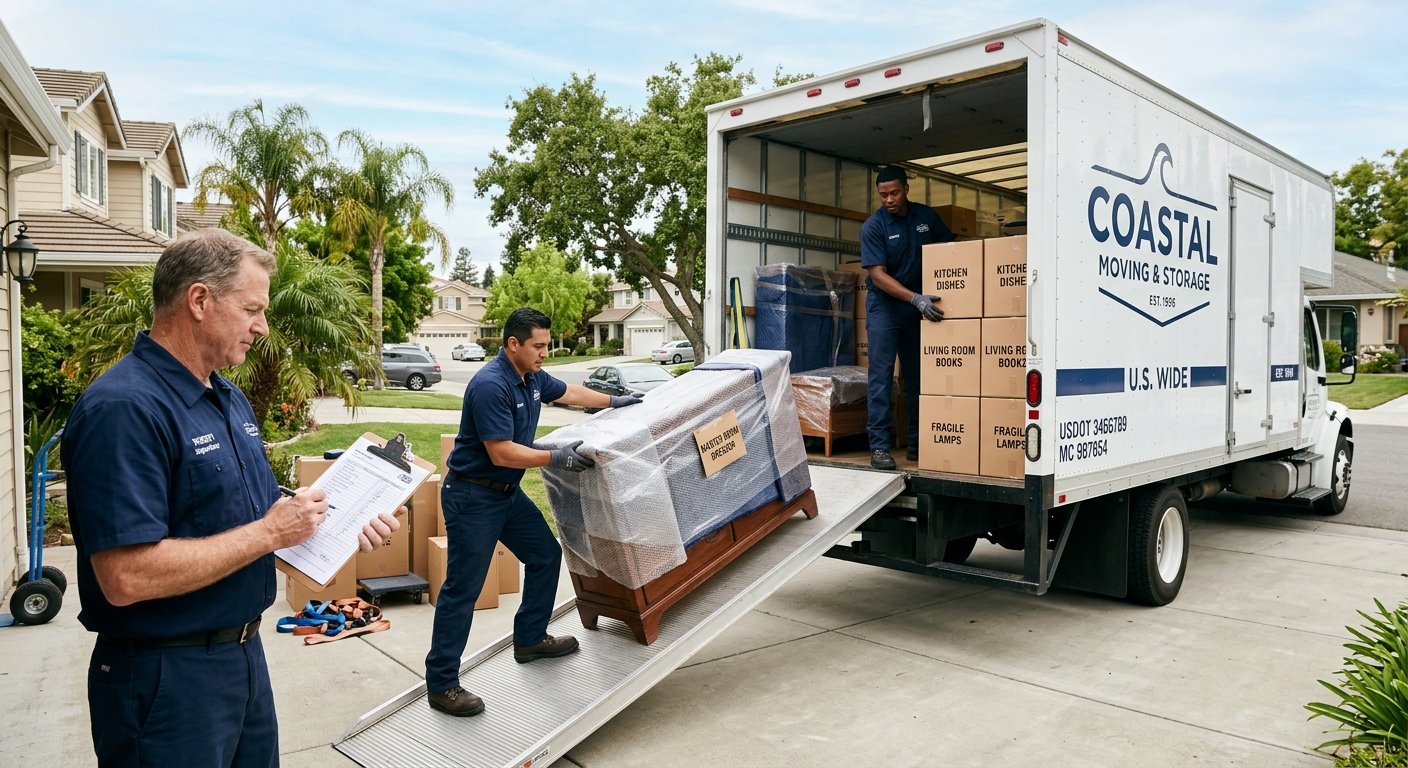
When you are planning a move, the number on your moving estimate is more than just a guess. It shapes your budget, your stress level, and how confident you feel signing a contract. Yet many customers are not fully clear on the difference between a binding estimate, a non binding estimate, and a not-to-exceed estimate until after the move is over.
If you are moving within California or planning a long-distance move from the state, understanding how each type of estimate works can help you avoid unpleasant surprises on delivery day. The way your move is described on paper affects your final charges, your protection under your moving agreement, and what happens if your shipment weighs more or less than expected.
This guide from TrueNorth Van Lines explains binding vs non binding estimates in plain language. You will learn what each term means, what details should be included in a written moving quote, how movers calculate your total, and how to choose the right estimate type for your situation. You will also find checklists, sample wording, and practical tips so you can ask the right questions before you book.
TrueNorth Van Lines provides long-distance moving services and local moving services for households and businesses. While this guide is informational and not legal advice, it reflects everyday situations our coordinators see when helping customers compare move options and plan for predictable costs.
Key takeaways
- A binding estimate locks in a set price for the specific services and inventory listed; changes to services or inventory can change the price.
- A non binding estimate is an educated cost projection; your final bill is based on actual weight or time plus agreed fees, which may be higher or lower than the estimate.
- A not-to-exceed (or binding-not-to-exceed) estimate caps your cost if the weight is higher than estimated but allows a lower price if the shipment weighs less.
- Every written moving quote should clearly state the estimate type, services included, access details, valuation coverage, and any potential extra fees.
- Accurate inventory, access information, and timing are critical for predictable moving estimates, especially for long-distance moves.
- In California, it is especially important to review your move documents, rights, and responsibilities before signing a binding vs non binding estimate.
- Working with an experienced, licensed moving company like TrueNorth Van Lines can help you compare options and choose an estimate type that matches your risk tolerance and budget.
Why your estimate type matters
The estimate type you agree to is one of the most important parts of your moving paperwork. Two customers can receive the same dollar amount but very different protection, depending on whether the estimate is binding, non binding, or not-to-exceed.
When you understand the difference, you can plan for your move with realistic expectations. If you prefer price certainty and are comfortable committing to a specific inventory, a binding estimate may fit. If your move is still evolving or you are decluttering aggressively, a non binding or not-to-exceed estimate may offer more flexibility.
For many California customers planning interstate or long-distance moves, the move is part of a bigger life decision: a new job, relocation to another state, or a major family transition. Clear estimates reduce one major source of stress so you can focus on everything else that needs to be done.
Practical example: Same move, different estimate types
Imagine you are moving a two-bedroom apartment from Los Angeles to another state. You receive a written moving quote of $7,000 from two different moving companies. On paper, the number looks the same, but:
- If one quote is a binding estimate, $7,000 is the price you pay for the listed items and services, as long as you do not add inventory or extra services on moving day.
- If the other quote is non binding, $7,000 is a projection. If your shipment weighs more than expected, the final total could be higher; if it weighs less, it may be lower.
Without reading the estimate type, it is easy to assume both are identical. This guide helps you avoid that mistake.
What is a binding estimate?
A binding estimate is a written moving quote that guarantees the total cost of your move for the specific services and shipment described in the estimate. As long as your inventory, services, and access conditions match what is written, the mover charges the binding amount, even if the actual weight is higher than estimated.
Key features of a binding estimate
- The price is set in advance for the described services and items.
- The estimate must be in writing and clearly labeled as a binding estimate.
- Additional services or items not listed may result in a revised estimate or extra charges.
- For long-distance moves, charges are usually based on weight and distance, but the customer pays the agreed binding total.
Sample language you might see on a binding estimate:
«This is a binding estimate for transportation and related services described herein. The total charges for these services will be $6,450.00, subject only to additional services requested by the customer or required due to building access conditions not disclosed at the time of estimate.»
When a binding estimate may be a good fit
- You have a fairly stable inventory and do not expect major changes.
- You know your moving dates and access conditions for both origin and destination.
- You prefer clear price certainty and are willing to commit to the described scope of work.
- Your move is long-distance and you want to avoid major swings due to weight variances.
What is a non binding estimate?
A non binding estimate is a mover's best judgment of the cost for your move, based on the information available at the time. It is not a price guarantee. Your final charges are calculated from the actual weight of your shipment (for long-distance or interstate moves) or actual hours worked (for many local moves), plus agreed fees.
Key features of a non binding estimate
- The estimate is an approximation, not a fixed price.
- The final cost may be higher or lower than the estimate, depending on actual weight, time, and services provided.
- The estimate should still be in writing and describe services, inventory, and rates.
- Non binding estimates can be helpful when your inventory is uncertain or likely to change.
Sample language you might see on a non binding estimate:
«This is a non binding estimate based on an estimated weight of 7,000 pounds. Final charges will be determined by the actual weight of the shipment and services performed, at the rates set forth in this estimate and applicable tariff.»
When a non binding estimate may be a good fit
- You are still sorting, selling, or donating items and do not know your final volume.
- You may need to add or remove services such as packing or storage.
- You are comfortable with some price variance in exchange for flexibility.
- You trust that your mover has explained how rates and final charges work.
What is a not-to-exceed estimate?
A not-to-exceed estimate (sometimes called a «binding not-to-exceed» estimate) is a hybrid option. It sets a maximum amount you will pay for the services described, but if your shipment weighs less than estimated, your price can be reduced accordingly.
Key features of a not-to-exceed estimate
- The estimate sets a ceiling: you will not pay more than the not-to-exceed amount for the described scope.
- If the actual weight is lower, you pay for the lower actual weight, not the higher cap.
- It must be clearly labeled and described in your paperwork.
- Changes to services, inventory, or access can still result in a revised estimate.
Sample language you might see on a not-to-exceed estimate:
«This is a binding not-to-exceed estimate. Total charges will not exceed $8,200.00 for the services described, based on an estimated weight of 9,000 pounds. If the actual weight is less than the estimated weight, charges will be based on the lower actual weight at the agreed rate.»
When a not-to-exceed estimate may be a good fit
- You want a cap on your maximum cost but still want the possibility of saving money if your shipment is lighter.
- You plan a long-distance move with some uncertainty about final weight.
- You appreciate price protection but do not want to overpay if you end up moving less.
Binding vs non binding vs not-to-exceed comparison
Use the table below as a quick reference when comparing your options. Remember that individual movers may describe services using slightly different wording, so always read the full written moving quote.
| Estimate type | How the price works | Best for customers who… |
|---|---|---|
| Binding estimate | Price is fixed for the listed services and inventory. Actual weight can be higher, but you still pay the binding total (unless you add items/services). | Want certainty, have stable inventory, and can commit to the described scope. |
| Non binding estimate | Price is an estimate. Final charges are based on actual weight or time plus agreed rates and fees. Total may be higher or lower. | Expect changes to inventory or services and are comfortable with some price variation. |
| Not-to-exceed estimate | Sets a maximum cost; if the actual weight is lower, you pay less. Provides both a cap and potential savings. | Want a maximum price protection but do not want to overpay if the shipment is lighter than estimated. |
How movers calculate your moving estimate
Whether your estimate is binding or non binding, professional movers follow a structured process to calculate your projected cost. Understanding the main building blocks will help you read any written moving quote with more confidence.
Core factors that affect your estimate
- Move type: Local, long-distance, interstate, or intrastate within California.
- Shipment size: Estimated weight or volume of your belongings.
- Distance: Origin to destination mileage for long-distance moves.
- Services: Packing, unpacking, crating, disassembly and reassembly, debris removal.
- Access: Stairs, elevators, parking distance, shuttle trucks, long carries.
- Timing: Busy season, weekends, or last-minute changes.
- Valuation: Level of protection you select for your shipment.
The table below shows a simplified view of how different factors might influence your projected cost.
| Cost factor | How it influences your estimate | Practical example |
|---|---|---|
| Shipment weight or size | Heavier or larger shipments typically cost more for long-distance moves. | Decluttering from 12,000 lbs to 9,000 lbs may reduce a long-distance quote. |
| Distance traveled | The farther you move, the higher your transportation component will be. | Moving from Los Angeles to a neighboring city vs. another state. |
| Access complexity | Stairs, tight elevators, and distant parking can add labor and time. | Fourth-floor walk-up vs. ground-floor home with driveway parking. |
| Packing level | Full packing services add material and labor costs but may save time and reduce risk. | Self-packing most items vs. hiring movers for full kitchen packing. |
| Season and timing | Peak season or last-minute bookings can be higher due to demand. | Moving at month-end in summer vs. mid-month in a slower season. |
Why an accurate inventory is essential
A clear, accurate inventory list is critical for both binding and non binding estimates. For a binding estimate, the inventory is the foundation of your guaranteed price. For a non binding estimate, it shapes the weight or time projection.
Before you meet with an estimator or complete a virtual survey, walk through your home and identify:
- Large furniture pieces and special items (pianos, safes, large TVs).
- Storage spaces: garages, attics, closets, outdoor sheds.
- Items you definitely are not taking (to avoid overestimating).
- Areas where you might still downsize or donate (to discuss options).
California-specific moving estimate considerations
If you are moving within California or from California to another state, you may see additional state-specific language in your moving documents. While this guide does not provide legal or regulatory advice, there are some practical points to keep in mind when reviewing any binding vs non binding estimate.
What California customers should pay attention to
- Written documents: Read your written moving quote, order for service, and bill of lading carefully. Make sure the estimate type is clearly labeled.
- Your rights and responsibilities: Carriers are required to provide certain consumer information documents. These explain your protections and obligations.
- Valuation options: Consider your level of protection and how it affects claims, especially for long-distance or interstate shipments.
- Intrastate vs interstate moves: Rules may differ depending on whether your move stays within California or crosses state lines.
For many customers, the details can feel overwhelming. This is where working with experienced coordinators and asking direct questions about your estimate type is especially important.
How to read your written moving quote
Regardless of the estimate type, every written moving quote should be detailed and easy to follow. A well-structured quote allows you to compare movers fairly and understand what you are paying for.
Key sections to review
- Customer and move details: Names, addresses, contact information, and move dates.
- Estimate type: Clearly labeled as binding, non binding, or not-to-exceed.
- Inventory list: Furniture pieces, box counts, and special items.
- Services included: Packing, unpacking, disassembly, reassembly, crating, debris removal.
- Access description: Stairs, elevators, long carry, shuttle needs, or parking limitations.
- Valuation and coverage: Type of coverage selected and any deductibles.
- Rate structure: Weight and distance rates, hourly rates (for local moves), and any minimums.
- Potential additional charges: Conditions or services that could result in extra fees.
The table below outlines what a clear written moving quote often includes. Use it as a checklist when reviewing your documents from any mover.
| Section of quote | What to look for | Questions to ask |
|---|---|---|
| Estimate type | Clearly states binding, non binding, or not-to-exceed. | «Is this estimate binding, non binding, or not-to-exceed, and what does that mean for my final cost?» |
| Inventory and services | Complete list of items, rooms, and services included. | «Can we review the inventory together to confirm nothing is missing?» |
| Rates and fees | Clear base rates and examples of how extra services are billed. | «What would trigger extra charges beyond this estimate?» |
| Payment terms | Deposit, payment methods, and when final payment is due. | «When and how do I pay, and are deposits refundable under certain conditions?» |
Sample questions to ask when reading a quote
- «If I remove a room of furniture after this estimate is written, how does that affect my price?»
- «If the actual weight is higher than estimated, what happens under this estimate type?»
- «Can you walk me through any line items that might change on moving day?»
Common estimate mistakes and how to avoid them
Many issues that arise on moving day can be traced back to misunderstandings about estimates. The good news is that most of these problems are preventable with careful planning and clear communication.
Frequent mistakes
- Not confirming whether the estimate is binding, non binding, or not-to-exceed.
- Assuming that «estimate» means a guaranteed price, regardless of type.
- Leaving out storage areas or large items when the estimator visits.
- Understating stairs, walking distances, or parking limitations.
- Making major changes to inventory after a binding estimate without requesting an updated quote.
- Not reading payment terms, including acceptable methods and timing.
The table below highlights a few common mistakes alongside better strategies you can use instead.
| Common mistake | What can happen | Better approach |
|---|---|---|
| Treating a non binding estimate like a fixed price quote. | Final charges are higher than expected because weight or hours were more than estimated. | Ask how the final price is calculated and how much it could reasonably vary. |
| Not disclosing stairs, long walks, or elevator limits. | Extra charges on move day for unexpected access challenges. | Show or describe all access details during the survey so they are reflected in your estimate. |
| Adding several large items after a binding estimate is written. | Need for a revised estimate or additional charges not originally planned. | Contact your mover and request an updated binding estimate before move day. |
Key questions to ask before booking a mover
Asking the right questions before you sign anything is one of the best ways to protect yourself. Use this checklist when you are comparing binding vs non binding estimates between movers.
- Is my estimate binding, non binding, or not-to-exceed?
- Can you explain how my final charges are calculated under this estimate type?
- What specific services are included, and what services would be extra?
- How will access issues like stairs, elevators, or long carries be handled and billed?
- What happens if I add or remove items after this estimate?
- What valuation options are available, and what is included in this quote?
- What deposit is required, and under what conditions is it refundable?
- Which payment methods do you accept on delivery?
Example of how you might phrase your request:
«I'm comparing a few different movers, and I want to be sure I understand the estimate type. Can you confirm whether this quote is binding, non binding, or not-to-exceed, and walk me through a simple example of how the final price might change?»
How to prepare before the in-home or virtual survey
Your in-home or virtual survey is your chance to make sure your estimate is as accurate and fair as possible. Good preparation helps both you and your mover. It also supports clearer decisions between binding vs non binding options.
Pre-survey checklist
- Decide which major items are definitely moving and which are being sold or donated.
- Open closets, cabinets, and storage areas so the estimator can see everything.
- List any fragile, high-value, or specialty items that may require extra care or crating.
- Clarify your preferred packing level: full packing, partial packing, or self-packing.
- Note special access details like narrow stairways, elevators, steep driveways, or parking rules.
- Have your preferred move dates and any flexibility ready to discuss.
During the survey, do not hesitate to slow down and ask for clarification. A careful, planned survey is in everyone's best interest and leads to a written moving quote you can rely on.
Moving day paperwork and payment checklist
On moving day, there is a lot happening at once. Having a clear checklist of what to review and keep with you will help you stay organized and confirm that your move is following the estimate you agreed to.
Paperwork you should have on hand
- Copy of your signed written moving quote (binding, non binding, or not-to-exceed).
- Order for service or confirmation of services and dates.
- Bill of lading and inventory sheets, once prepared by the crew.
- Valuation selection or coverage documents.
- Contact details for your move coordinator or office.
What to double-check before the truck leaves origin
- That the estimate type shown on your paperwork matches what you agreed to.
- That your inventory list is reasonably accurate and matches what is on the truck.
- Any changes to services or items have been documented in writing.
- Payment expectations at destination are clear, including acceptable forms and timing.
Keeping your documents in a folder or bag that stays with you (not packed on the truck) is one of the simplest ways to stay in control of your move.
How TrueNorth Van Lines approaches estimates
TrueNorth Van Lines is a professional, licensed, and insured moving company offering local and long-distance moving services for households and businesses. Our goal is to make the estimate and planning process transparent so you can choose the right fit for your situation.
Our approach to written moving quotes
- We provide written estimates that clearly label the estimate type and describe included services.
- We encourage detailed in-home or virtual surveys, rather than quick, rough guesses.
- We help you understand how inventory, access, and timing affect your options.
- We discuss packing, storage, and valuation choices in the context of your move goals.
Whether you are planning a local apartment move, a family move from a house, an office relocation, or a senior move, we aim to provide organized, careful, and service-focused support from estimate to delivery.
Helpful TrueNorth Van Lines services
Example moving timeline with estimates
The following table outlines a planned moving timeline that many customers find helpful when organizing their estimate process, especially for long-distance moves from California.
| Time before move | Key tasks | Tip for estimates |
|---|---|---|
| 6–8 weeks | Research movers, confirm dates, start decluttering. | Gather multiple written moving quotes and compare estimate types. |
| 4–6 weeks | Schedule in-home or virtual surveys; review inventory lists. | Ask each mover to explain binding vs non binding options for your shipment. |
| 2–4 weeks | Finalize mover selection, sign paperwork, and confirm details. | Ensure your chosen estimate matches your latest inventory and services. |
Frequently asked questions
Is a binding estimate always better than a non binding estimate?
Not necessarily. A binding estimate offers price certainty for the documented inventory and services, which can be very helpful. However, if your plans are still changing or you expect to add or remove many items, a non binding or not-to-exceed estimate may be more practical. The best choice depends on how stable your inventory is and how much price flexibility you are comfortable with.
Can my moving company change a binding estimate on moving day?
A binding estimate is based on the specific inventory and services described. If you significantly change the scope on moving day, for example by adding several large pieces or requesting extra packing, the mover may need to prepare a revised estimate before performing the additional work. For the items and services already listed, the binding price should still apply.
What happens if my shipment weighs less than the binding estimate?
With a standard binding estimate, you typically pay the agreed binding total even if the actual weight is lower, because you are paying for the guaranteed price. With a not-to-exceed estimate, however, your cost may be reduced if the shipment weighs less than estimated. Always ask your mover how your specific estimate type handles lower weight outcomes.
How do I know if my estimate is binding or non binding?
Your written moving quote should clearly state the estimate type near the top or in a dedicated section. Look for language such as «Binding Estimate,» «Non Binding Estimate,» or «Binding Not-To-Exceed.» If the wording is unclear, ask your moving company to clarify in writing so you know exactly which type of estimate you are agreeing to.
Are deposits different for binding vs non binding estimates?
Deposit policies can vary by company and are usually based on scheduling and reservation needs rather than estimate type. Some movers require a small deposit to hold your dates, while others may not. Always review the deposit amount, whether it is refundable under certain conditions, and how it is applied to your final charges.
Can I switch from a non binding estimate to a binding estimate later?
In many cases, yes, especially if your inventory becomes more stable closer to your move date. You will typically need a refreshed survey or confirmation of your final inventory and services so the mover can issue a new written binding estimate. Ask your mover what is required to convert your estimate type.
What should be listed on my written moving quote?
Your written quote should list the estimate type, move details, inventory, services, access conditions, valuation coverage, and all applicable rates and fees. It should also outline payment terms, including deposits and final payment. If something is not documented but important to you, ask to have it added before you sign.
Do California moves have special estimate requirements?
Moves within California and those crossing state lines may be subject to different rules and consumer protections. While this guide does not provide legal advice, you should carefully review any rights-and-responsibilities documents, tariff information, and estimate language provided by your mover, and ask questions if anything is unclear.
What if the mover's final bill is higher than my non binding estimate?
If you have a non binding estimate, your final bill is based on actual weight or time plus agreed rates and fees. It can be higher than the initial estimate if your shipment is heavier or takes longer than expected. Ask your mover ahead of time how large a difference is reasonably possible and what steps they take to keep estimates accurate.
How can I make my estimate more accurate?
Provide complete, honest information during your survey; avoid hiding or forgetting rooms, closets, or storage areas; share accurate access details; and update your mover quickly if your inventory changes. A transparent conversation about your plans, including any potential last-minute additions, helps the mover give you a realistic number.
Sources referenced in this guide
For this guide, TrueNorth Van Lines considered common industry practices and guidance typically provided by:
- Federal Motor Carrier Safety Administration consumer guidance
- U.S. Department of Transportation moving guidance
- State transportation and consumer protection agencies
- Written moving estimates, orders for service, and bills of lading
- Carrier tariffs, valuation options, and service agreements for household goods moves
- Building management move-in and move-out requirements
This guide is general moving information, not legal, insurance, or regulatory advice. Moving requirements, pricing, access rules, and coverage options may vary by location, move type, building rules, and service agreement.
Related moving guides
When you are ready to talk through your own move, you can explore our moving services, review our service areas, use the moving cost calculator for a quick planning snapshot, or request a free moving quote from a TrueNorth Van Lines coordinator. We are here to help you choose the estimate type and service level that match your plans.