
How Long Does a Long Distance Move Take in California?
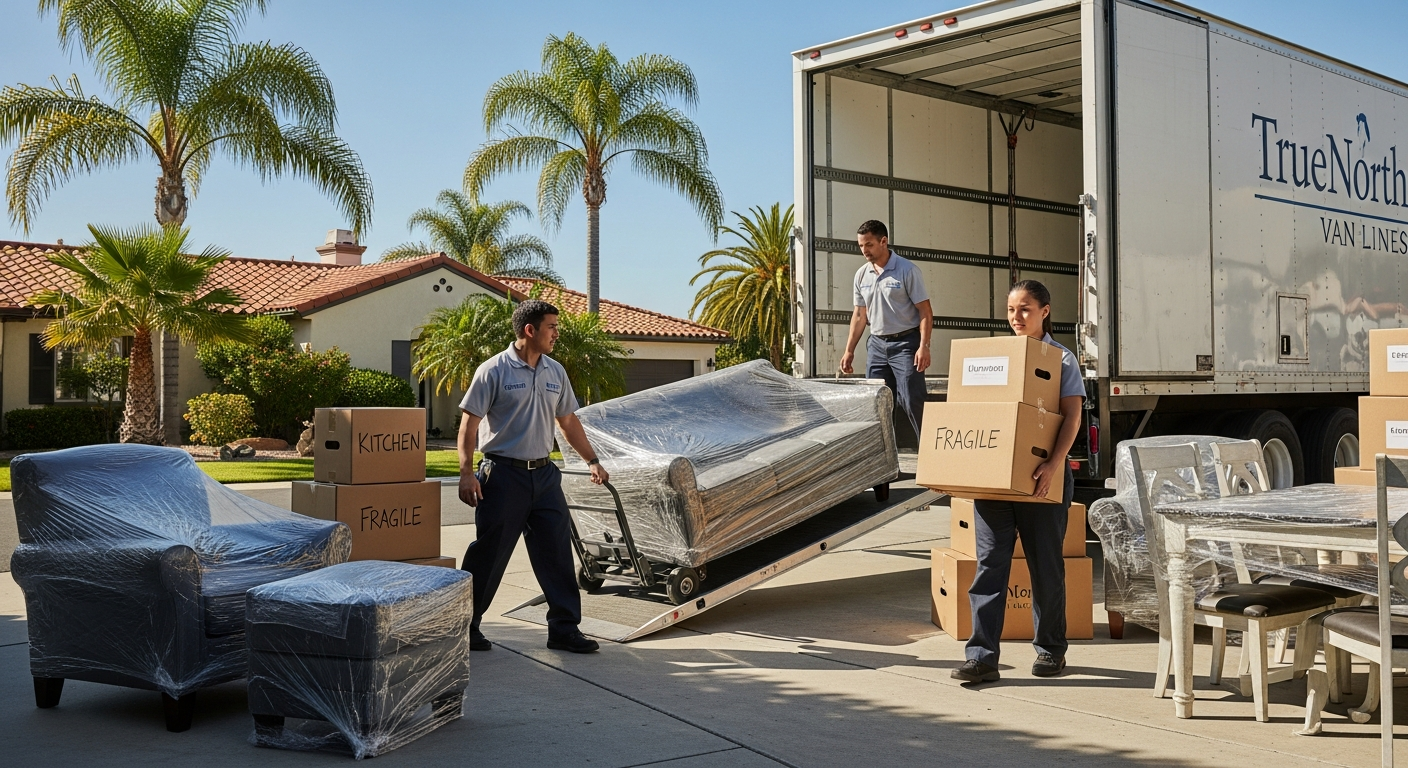
When you are planning a long distance move in California, one of the first questions that comes up is simple: how long is this actually going to take? Between packing, pickup dates, delivery windows, and settling in, your schedule, work start date, and even lease dates all depend on a realistic moving timeline.
Unlike a quick local move across town, a long distance move involves route planning, traffic, potential overnight stops, and coordination between dispatch, your driver, and your delivery address. The time it takes is influenced by distance, size of shipment, access at each home, and how early you start preparing.
This guide from TrueNorth Van Lines is designed to walk you through how long a long distance move in California typically takes, with special attention to popular in-state routes like Los Angeles to San Francisco. You will see how movers plan a timeline, what a normal delivery window looks like, and what you can do to keep your move on schedule.
Our goal is to give you practical, realistic guidance so you can plan your calendar, avoid last-minute stress, and decide what level of professional help you want, from full-service packing to storage and delivery.
Key takeaways
- In-state long distance moves in California often deliver within 1–5 days after pickup, depending on distance, shipment size, and route.
- Popular routes like Los Angeles to San Francisco are usually faster than cross-country moves but still use a delivery window, not a single guaranteed hour.
- Access issues, building rules, and last‑minute packing can easily add hours or even a full extra day to your move.
- Good planning starts 4–8 weeks before move day, including decluttering, reserving elevators, and confirming parking for the moving truck.
- Packing ahead, labeling clearly, and separating essentials reduces delays on both pickup and delivery days.
- When comparing movers, look at transit time, delivery windows, and what is written in the estimate—not just the bottom-line price.
- Working with a licensed, insured mover like TrueNorth Van Lines helps keep your schedule realistic and your delivery well-coordinated.
How long does a long distance move in California really take?
«Long distance» in California usually means a move that is more than a quick local hop—often 100 miles or more—even if you stay within the same state. This can include routes such as Los Angeles to San Francisco, San Diego to Sacramento, or Fresno to the Bay Area.
For many customers, the full timeline breaks into three parts:
- Pre-move preparation
- Moving day and pickup
- Transit and delivery window
Here is a high-level look at the typical time involved for an in-state long distance move when it is properly planned and executed by a professional mover.
| Move component | Typical time frame | Notes |
|---|---|---|
| Planning & booking | 2–8 weeks before move | Earlier for peak season (summer, month-end, weekends). |
| Packing (self-packed) | 5–21 days before move | Depends on home size and available time. |
| Packing (pro-packed) | 0.5–2 days before or on move day | Crew packs household efficiently. |
| Loading & pickup day | 4–10 hours on move day | Varies by volume, access, and distance. |
| Transit (in-state CA) | 1–5 days after pickup | Traffic, routing, and other shipments matter. |
| Delivery & unloading | 4–9 hours on delivery day | Again depends on volume and access. |
Within that framework, different moves have different needs. A studio apartment going from Los Angeles to San Francisco will move faster than a fully furnished five-bedroom house traveling the same route. Similarly, a weekday delivery with easy driveway access may wrap up hours earlier than a downtown high-rise with tight loading dock rules.
The earlier your move is planned and the more organized your packing is, the easier it is for your movers to stay within the expected delivery window.
Sample timeline: Los Angeles to San Francisco move
Los Angeles to San Francisco is one of the most common planned long distance moves within California. The distance is roughly 380–420 miles depending on your start and end neighborhoods and the chosen route (I-5 vs. US-101).
Here is an example of a realistic timeline for a typical two- to three-bedroom home using professional movers for this corridor.
| Phase | Example timing | Details for LA to SF route |
|---|---|---|
| Initial planning & quote | 6 weeks before move | Contact movers, discuss dates, review a detailed in-home or virtual estimate. |
| Confirm booking & date | 4–5 weeks before move | Lock in pickup date and general delivery window. |
| Declutter & pack non-essentials | 3–4 weeks before move | Clear out storage spaces, pack seasonal items and decor. |
| Confirm building/parking logistics | 2–3 weeks before move | Reserve elevator or loading dock; check truck clearance and restrictions. |
| Final packing & disassembly | 1–3 days before move (or pro-pack on move day) | Pack remaining items, label rooms, disassemble large furniture if needed. |
| Pickup day (Los Angeles) | Day 0 | 4–8+ hours on site for loading, depending on access and volume. |
| Transit LA to SF | Day 1–2 | Driver travels I-5 or US-101, observing hours-of-service regulations and traffic conditions. |
| Delivery day (San Francisco Bay Area) | Day 1–3 from pickup | Crew unloads, reassembles basic furniture, places boxes in labeled rooms. |
On this specific route, many shipments can be picked up one day and delivered the next or within 2–3 days, depending on schedule and whether your shipment is on a dedicated truck or shares space with other customers’ shipments.
When you request a quote for long-distance moving services for a corridor like Los Angeles to San Francisco, TrueNorth Van Lines will discuss an expected date range that fits your needs and our operating schedule, so you have a clear, written expectation.
Key factors that affect your long distance moving time
Even on the same route, no two moves are identical. Several practical factors influence how long your long distance move in California takes from the moment your movers arrive until the last box is unloaded.
1. Distance and route selected
The obvious factor is mileage. A move from San Diego to Redding is going to involve more transit time than a move from Los Angeles to Bakersfield. But within the same corridor, the exact route also matters: some highways are faster but may have more steep grades, traffic bottlenecks, or weather-related slowdowns.
2. Size and weight of your shipment
The more items you have, the longer it takes to:
- Pad-wrap and protect furniture
- Carry everything from the home to the truck
- Load and secure items carefully
- Unload and place items at destination
Large household shipments also affect how the mover schedules trucks and crews, which can impact where your move lands in the daily route and how the delivery window is set.
3. Home access and building rules
Access is one of the biggest time variables. Consider two scenarios:
- Single-family home with a wide driveway and no stairs.
- Downtown apartment with one small service elevator, limited loading dock time, and long pushes from truck to unit.
The second scenario can add several hours to your loading or unloading day. Building rules may also require movers to work within certain hours, which limits how much can be done in a single day.
4. Packing status when movers arrive
If your boxes are fully packed, labeled, and sealed when the crew arrives, they can move quickly and efficiently. If half your kitchen is still in cabinets and closet items are unpacked, the crew will either have to slow down while you finish or perform last-minute packing, which adds time and sometimes additional cost.
Example: A three-bedroom home that is fully packed and organized might load in 5–7 hours, while a similar home with unpacked items could take 8–10 hours or require a second day.
5. Weather and traffic conditions
California’s weather is usually favorable, but:
- Heavy rain can slow down loading and unloading to protect your items.
- Extreme heat may require more short breaks for the crew’s safety.
- Traffic on major corridors (I-5, US-101, I-80, I-405) can add hours to driving time.
6. Shared truck vs. dedicated truck
Some long distance moves travel on a truck dedicated only to your shipment, while others share space with other customers. A shared load may involve multiple pickups and deliveries, which can lengthen the delivery window, even though it may be more economical.
| Truck type | Impact on timing | Things to confirm |
|---|---|---|
| Dedicated truck (your shipment only) | More direct route, often tighter delivery window. | Pickup date, estimated delivery date or range, any stops required. |
| Shared truck (multiple shipments) | Longer delivery window to allow for other customers on the route. | Transit time range, how you will receive updates, whether consolidation affects dates. |
7. Season and day of the week
Summer, month-end, and weekends are typically the busiest times for long distance movers. During these peaks, trucks and crews have fuller schedules, and your preferred date may need to be reserved earlier. Transit times may also be more affected by traffic and scheduling demands.
Understanding delivery windows and transit time
With long distance moving, it is not realistic for any mover to promise a single exact hour for delivery weeks in advance. Instead, movers use a delivery window—typically a range of days—based on distance, route, and scheduling.
Why movers use a delivery window
Delivery windows allow for:
- Unpredictable traffic and road conditions
- Weather-related changes
- Other customers’ pickups or deliveries on the same route
- Driver hours-of-service regulations and required rest periods
For a well-planned in-state California move, delivery windows are usually tighter than for cross-country relocations, but there is still some flexibility built in.
Typical delivery windows for California long distance moves
| Approximate distance | Example routes | Typical delivery window after pickup |
|---|---|---|
| 100–200 miles | LA to Bakersfield, SF to Sacramento | 1–3 days, sometimes next-day for smaller shipments |
| 200–400 miles | LA to SF, San Diego to Fresno | 2–4 days, depending on schedule and truck type |
| 400–600+ miles | San Diego to Sacramento, SF to San Diego | 3–5 days or more, especially for larger or shared loads |
These ranges are general guidelines; your mover should provide a written delivery spread that reflects the specifics of your move.
How TrueNorth Van Lines communicates delivery windows
When you book with TrueNorth Van Lines, our team discusses:
- Your preferred move-out and move-in dates
- Any job start dates or lease deadlines
- Building access hours and HOA rules
- Whether you need storage-in-transit if dates do not line up
We provide a realistic delivery window and keep you updated as your move progresses so you know when to expect the truck. While exact times can change based on route conditions, our goal is to give you enough information to plan travel, pet care, and work commitments.
Planning timeline: When to start preparing
The earlier you begin, the more control you have over your long distance moving timeline. Here is a practical planning schedule for a typical California move.
6–8 weeks before move
- Decide on your ideal move week and two or three backup days.
- Contact licensed, insured movers such as TrueNorth Van Lines for quotes.
- Request a detailed inventory-based estimate and discuss transit time.
- Start a moving folder (paper or digital) for all documents.
4–5 weeks before move
- Choose your mover and confirm your booking in writing.
- Clarify delivery window and any flexibility you have.
- Begin decluttering rooms, closets, garage, and storage unit.
- Order packing materials if you are packing yourself.
3–4 weeks before move
- Pack items you will not need before the move (books, decor, off-season clothing).
- Measure large furniture and doorways at your new home.
- Notify landlord or HOA about your move dates and truck access needs.
- Schedule time off work if needed.
2–3 weeks before move
- Confirm elevator reservations and loading dock times, if applicable.
- Finish packing most non-essential kitchen items and linens.
- Separate high-value and irreplaceable items you will carry yourself.
- Confirm your travel plans, hotels, and pet arrangements if needed.
1 week before move
- Pack a first-week essentials box for each family member.
- Label boxes by room and priority (e.g., «Open First»).
- Disassemble non-critical furniture like guest beds or shelving.
- Confirm final details with your mover: arrival window, payment method, and contact numbers.
Day before move
- Empty, defrost, and dry refrigerator and freezer if they are moving.
- Set aside your personal travel bags and important documents.
- Walk through each room to confirm drawers and closets are cleared.
- Get a good night’s sleep; move day will be busy.
Packing strategies that keep your move on schedule
How you pack can either streamline your move or slow it down significantly. Efficient, organized packing helps your crew load faster, protects your items, and reduces confusion at delivery.
Decide between self-pack and professional packing
You can choose to pack everything yourself, use professional packing services from TrueNorth Van Lines, or take a hybrid approach where you pack some items and we handle the rest.
Consider your schedule, energy level, and how complex your home is. If your calendar is tight or you have a lot of fragile items, professional packing can save time and reduce risk.
Time-saving packing tips
- Pack room by room instead of hopping around the house.
- Use sturdy boxes and avoid overfilling large boxes with heavy items.
- Label all sides of each box with room name and basic contents.
- Use colored tape or stickers to color-code rooms for quick unloading.
- Keep like items together (all cables in one box, all linens in another).
Sample labeling approach: «Master Bedroom – Clothing – Open First» or «Kitchen – Pots & Pans».
Items movers cannot place on the truck
Most movers will not transport hazardous or perishable items. Set these aside in advance to avoid last-minute delays.
| Category | Examples | What to do instead |
|---|---|---|
| Hazardous materials | Paints, gasoline, propane tanks, chemicals, fireworks | Dispose locally following guidelines or transport small quantities safely yourself. |
| Perishables | Open food, refrigerated items, plants (in some cases) | Use up, donate, discard, or move short-distance in your own vehicle. |
| High personal value | Jewelry, cash, personal documents, medications | Keep these with you in a secure travel bag. |
How professional packing changes the timeline
When TrueNorth Van Lines provides packing, we plan it so that your home is ready for loading on schedule. Depending on the size of your move, packing may happen:
- The day before move day
- On move day itself (smaller homes)
- Over two days for large or complex homes
Because our crews work systematically, professional packing often reduces total on-site time and helps reduce last-minute surprises that push the delivery window.
How to compare long distance moving estimates and timelines
Not all moving estimates are equal, especially when it comes to delivery time and service level. When you are comparing quotes for a long distance California move, pay attention not only to price but also to what is included and how timing is described.
Key elements to review
- Type of estimate (binding, non-binding, or not-to-exceed)
- Services included (packing, unpacking, crating, storage)
- Transit time and delivery window written on the estimate or order
- Valuation coverage options and what happens if something is delayed or damaged
- Access fees for stairs, long carries, or shuttles if the truck cannot reach your home
Questions specifically about timing
- «Based on my inventory, what is the expected delivery window for my move from [city] to [city]?»
- «Is my shipment moving on a dedicated truck or a shared truck?»
- «How will I receive updates about my pickup and delivery dates?»
- «What factors could change the delivery window after we book?»
Cost vs. timing trade-offs
Sometimes a lower-cost option involves a wider delivery window or more flexible dates, while premium options may prioritize tighter scheduling or dedicated trucks. Consider what matters most for your situation: is it more important to save on cost or to have a narrower delivery range?
You can also use tools like the TrueNorth Van Lines moving cost calculator as a starting point to understand how distance, shipment size, and service level influence both price and timing.
Important questions to ask movers about timing
Having a list of targeted questions helps you get clear, realistic expectations from any mover you talk to. Here are timing-related questions to include in your conversations.
- «How long does this specific route usually take?»
Ask about your actual cities (for example, «How long does a long distance move from Los Angeles to San Francisco typically take?»). - «What is the delivery window you anticipate for my shipment?»
Request that they put this in writing on your estimate or order for service. - «What could cause delays, and how would you notify me?»
Listen for clear processes, not vague reassurances. - «Do you provide storage if my new home is not ready yet?»
If there is a gap between move-out and move-in, ask about secure storage services. - «What time of day do you expect to arrive for pickup and delivery?»
Understand whether your move is first, second, or third on the crew’s schedule. - «How many crew members will be on my move?»
Crew size affects both speed and how long they will be in your home.
How to prepare before the movers arrive
Solid preparation before the truck arrives makes a major difference in how long your move takes and how smoothly it goes.
Night before and morning-of checklist
- Finish all packing except last-minute essentials (toiletries, a few dishes).
- Unplug electronics and coil cords; place remotes and cables in labeled bags.
- Clear hallways, stairs, and doorways of clutter or trip hazards.
- Reserve parking space for the truck if street parking is limited.
- Set aside a «Do Not Pack» area with items you will take with you.
- Keep pets safe in a closed room or with a friend to avoid escapes.
Helpful phrase for your crew: «These items in this closet are staying with us; everything else is going on the truck.»
What movers do when they arrive
The crew leader will typically:
- Introduce the team and walk through your home with you.
- Note items that need extra care or special handling.
- Confirm what is not going on the truck.
- Plan the loading order based on access and weight distribution.
Having your questions ready and your home prepared lets the crew start work quickly, which helps protect your delivery window on the other end of the route.
What to keep with you on moving day
No matter how carefully a move is planned, you should always keep a core set of items with you rather than placing them on the moving truck. This keeps you comfortable if there are any timing changes and reduces risk for high-value or irreplaceable items.
Essential documents and valuables
- Wallet, IDs, passports, and birth certificates
- Checkbooks, credit cards, and basic financial records
- Insurance policies and moving paperwork
- Jewelry, watches, and small valuables
- Family heirlooms and irreplaceable photos
Immediate comfort items
- Medications and medical devices
- Basic toiletries and a towel for each family member
- One or two changes of clothing per person
- Phone chargers and basic electronics
- Snacks, water, and pet food/supplies
First-night essentials box
Even if your truck is on schedule, you may not want to unpack everything immediately. Pack a clearly labeled first-night essentials box with:
- Sheets, pillows, and a light blanket
- Basic cookware (one pan, one pot), utensils, and plates
- Shower curtain if needed, toiletries, and toilet paper
- Small toolkit (screwdriver, Allen keys, utility knife)
Ask the crew to load this box last so it comes off the truck first, or simply carry it with you. That way, whether your long distance move takes one day or several, you are not scrambling for basics at midnight.
Common timing mistakes and how to avoid them
Many moving delays are preventable with realistic planning and clear communication. Here are some of the most common timing mistakes customers make and how to avoid them.
| Common mistake | Impact on timeline | How to prevent it |
|---|---|---|
| Underestimating packing time | Last-minute chaos; loading starts late or takes longer than planned. | Start packing 3–4 weeks out; consider professional packing if your schedule is tight. |
| Not reserving elevator or dock | Crew has to wait or make extra trips, adding several hours to the job. | Talk to building management 2–3 weeks before move; get written confirmation of times. |
| Assuming a specific hour of delivery | Frustration if truck is early or late within the window. | Plan around the delivery window, not a single exact time. |
| Scheduling cleaners or contractors too tightly | Overlapping crews can slow everyone down and add stress. | Leave buffer time between movers and other services whenever possible. |
| Not explaining tight deadlines to the mover | Move scheduled on a standard window that does not match your needs. | Share job start dates, school start dates, or critical deadlines during quoting. |
The more open you are about your schedule needs and constraints, the better your mover can advise you on realistic timelines and whether you should adjust dates, simplify the shipment, or use storage to bridge gaps.
How TrueNorth Van Lines supports your long distance move
TrueNorth Van Lines provides long distance moving support for households and businesses throughout California and beyond. Our role is to give you clear expectations, professional crews, and reliable communication from the first quote through final delivery.
Types of moves we handle
- Apartment and condo moves between California cities
- Household moves for single-family homes of all sizes
- Office and commercial relocations with detailed timelines
- Senior moves with extra care and scheduling support
We offer flexible service levels, from basic loading and transport to full-service moves with packing, unpacking, and storage.
How we help keep your move on schedule
- Collecting a detailed inventory so the crew arrives with the right truck size and equipment
- Reviewing access conditions at both origin and destination
- Recommending packing plans that fit your calendar
- Providing clear delivery windows and status updates along the way
Helpful TrueNorth Van Lines services
To see whether TrueNorth Van Lines serves your current and future neighborhood, you can review our service areas and explore all available moving services.
Next steps for your California long distance move
- Review your ideal move dates and any deadlines.
- Make a rough inventory of your home, including large items.
- Use the moving cost calculator to get a basic estimate.
- Contact TrueNorth Van Lines to request a free moving quote and discuss realistic transit times for your route.
Frequently asked questions
How long does a long distance move in California usually take?
For most in-state California moves, pickup and delivery are typically completed within 1–5 days after loading, depending on distance, shipment size, and truck type. Preparation, packing, and scheduling may add several weeks before that.
How long does it take to move from Los Angeles to San Francisco?
For common routes like Los Angeles to San Francisco, many shipments are delivered within 2–3 days of pickup, although your mover will provide a specific delivery window based on your inventory, schedule, and whether your shipment is on a dedicated or shared truck.
Can my California long distance move be done in one day?
In some short- to mid-distance cases and with smaller shipments, same-day or next-day delivery may be possible, but it depends heavily on distance, access, truck availability, and route conditions. Most customers should plan for at least a 1–3 day delivery window.
Why do movers give a delivery window instead of an exact time?
Movers must account for traffic, weather, driver regulations, and other customers on the route. A delivery window provides the flexibility needed to manage real-world conditions while still giving you a realistic timeframe to plan around.
When should I book my long distance mover in California?
It is wise to book 4–8 weeks before your desired move date, especially for summer, month-end, and weekends. Earlier booking gives you a better selection of dates and helps ensure the mover can align pickup and delivery with your schedule.
How does professional packing affect the moving timeline?
Professional packing often shortens on-site time and reduces the risk of last-minute delays. Crews can pack a typical home in 0.5–2 days, depending on size and complexity, which helps keep loading and delivery on schedule.
What if my new home is not ready when my belongings arrive?
If your move-out and move-in dates do not align, many movers, including TrueNorth Van Lines, can arrange short- or longer-term storage services. Your items stay in secure storage until your new home is ready, and then they are delivered on a scheduled date.
What can I do to avoid delays on moving day?
Finish packing early, reserve parking and elevators, clear pathways, and have a clear plan for pets and children. Communicate any access issues or special items to your mover ahead of time so the crew arrives prepared.
How do I know if a mover’s timeline is realistic?
Ask the mover how they calculated the timeline, what factors might change it, and whether the delivery window is written in your estimate or order for service. Licensed, experienced movers should be able to explain their reasoning clearly.
Does move size affect how long my delivery takes?
Yes. Larger shipments take longer to load, transport, and unload, and they may influence routing decisions. Smaller shipments may move more quickly or share space on a truck, which can either shorten or lengthen the delivery window depending on the route.
Sources referenced in this guide
To create this guide about long distance moving timelines in California, TrueNorth Van Lines relies on industry practices and guidance from several authoritative sources, including:
- Federal Motor Carrier Safety Administration consumer guidance
- U.S. Department of Transportation moving guidance
- State transportation and consumer protection agencies
- Written moving estimates, bills of lading, and service agreements
- Carrier tariffs, valuation options, and scheduling procedures
- Building management move-in and move-out requirements for California properties
These resources, combined with day-to-day field experience from our crews and coordinators, help us provide realistic timing expectations for long distance moves.
Related moving guides
If you are getting ready for a long distance move in California, a short conversation with a moving specialist can clarify what timeline to expect for your specific route, home size, and schedule needs. Visit the About TrueNorth Van Lines page to learn more about our company, review customer reviews, and explore the TrueNorth Van Lines blog for more planning tips.
When you are ready, you can request a free moving quote with your preferred dates, or start by using the moving cost calculator to see how distance and shipment size affect both price and timing for your California long distance move.
This guide is general moving information, not legal, insurance, or regulatory advice. Moving requirements, pricing, access rules, and coverage options may vary by location, move type, building rules, and service agreement.