
LA to Phoenix: Desert Move Timing, Heat, and Costs
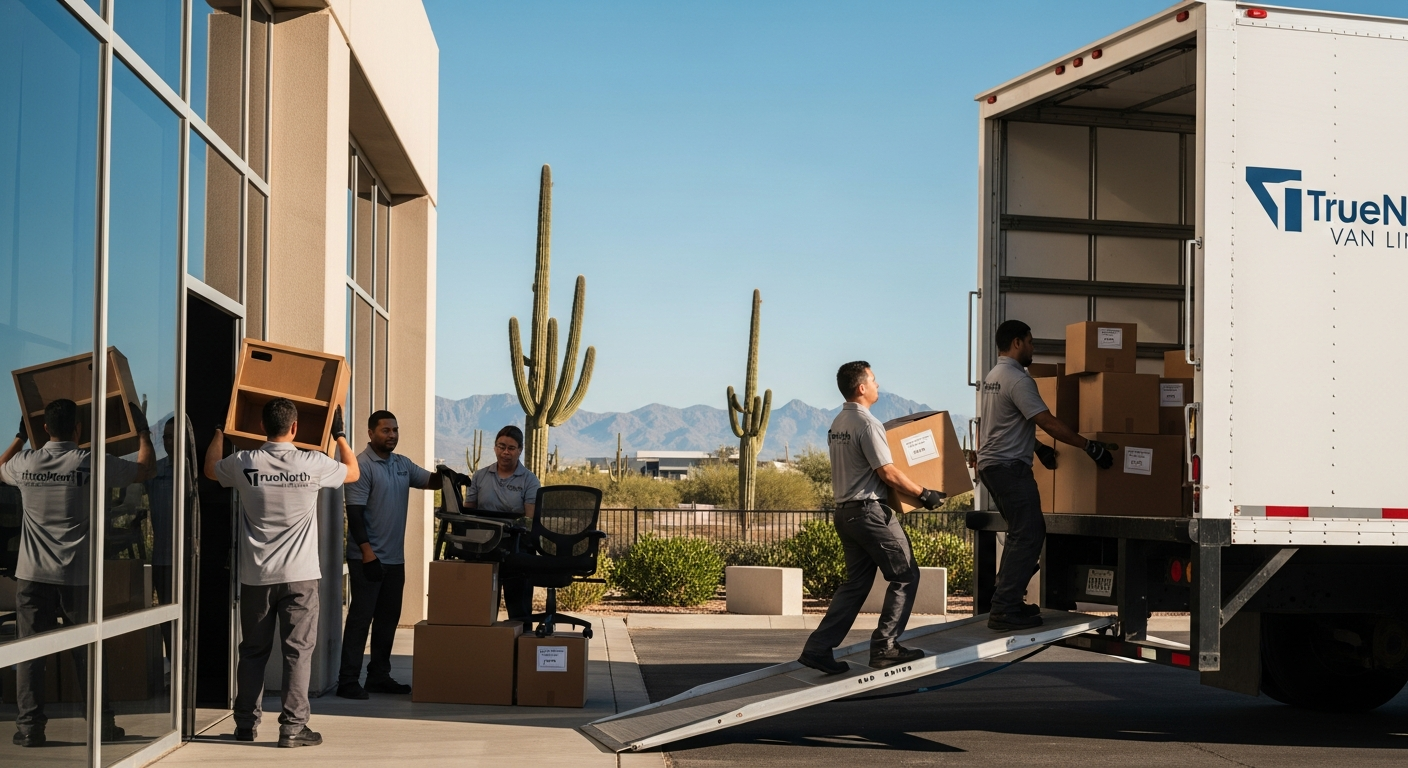
Relocating a business from Los Angeles to Phoenix is a major project. You are not just moving desks and computers; you are moving people, operations, customers, and revenue. Between desert heat, tight timelines, and interstate regulations, commercial moves on the LA to Phoenix route demand careful planning and the right moving partner.
With roughly 370–400 miles between the two metro areas, a commercial move along this corridor is long enough to require full interstate planning but short enough that strategic timing and coordination can reduce downtime to a minimum. Decisions about when to move, how to protect sensitive equipment from desert temperatures, and how to stage packing can make the difference between a smooth transition and a chaotic week of lost productivity.
This guide walks through every major step of planning a commercial move from Los Angeles to Phoenix: ideal timing, how heat and access affect your schedule, what influences cost, how to compare estimates, and how to prepare your team and your buildings. It is written from the perspective of a professional mover helping a real company plan a real relocation.
TrueNorth Van Lines provides licensed and insured long-distance moving services for businesses making the move from California to Arizona. This guide will help you understand the process so you can decide what support you need, keep your timeline realistic, and protect your budget.
Key takeaways
- Start planning your LA to Phoenix commercial move 8–12 weeks in advance to align lease dates, building rules, and IT cutovers.
- High desert heat between late spring and early fall affects scheduling, loading strategy, and how sensitive electronics are packed and transported.
- Commercial moving costs are driven by inventory volume, access at both locations, packing level, schedule, and any storage or specialty handling required.
- A detailed inventory, color-coded floor plan, and clear labeling system dramatically reduce downtime and confusion on move-in day.
- Compare written estimates side by side, focusing on scope of work, packing, labor assumptions, valuation options, and schedule—not just the bottom line.
- Decide early which tasks your team will handle versus what you want professional movers to manage, especially IT, packing, and furniture disassembly.
- Working with a licensed, insured long-distance mover like TrueNorth Van Lines helps coordinate logistics, protect your assets, and keep your team focused on running the business.
LA to Phoenix commercial route overview
The Los Angeles to Phoenix corridor is one of the busiest interstate routes in the Southwest. For commercial moves, this route typically follows I-10 east through the desert, with drive times often in the 6–8 hour range depending on traffic, start and end points, and any breaks or weigh-station delays.
This distance is a sweet spot for a one-day transit schedule when the move is well planned. For many businesses, loading can be completed on Day 1, with delivery and basic setup on Day 2. Some smaller offices or partial relocations can even target same-day delivery if access, building rules, and crew size allow.
Why this route is different for businesses
Compared with a simple residential move, commercial relocations along this route bring additional complexity:
- Multiple stakeholders (owners, managers, employees, customers)
- Lease deadlines and building access rules at two commercial properties
- IT and telecom cutovers that must be carefully timed
- Sensitive equipment that may be affected by heat, vibration, or power interruptions
- Regulatory considerations for an interstate move handled by a licensed carrier
Because of these factors, a commercial move from Los Angeles to Phoenix benefits from a detailed, planned approach rather than last-minute improvising.
Timing your move and managing desert heat
Timing is one of the most important decisions you will make. It impacts crew availability, rates, comfort and safety for movers, and the protection of sensitive equipment.
Best seasons and days for an LA to Phoenix move
While you can complete this route year-round, some windows are more comfortable and predictable:
- Late fall to early spring: Generally cooler temperatures and less intense sun reduce risk for heat-sensitive items and make loading more comfortable.
- Weekdays vs. weekends: Many commercial buildings in Los Angeles and Phoenix prefer or require weekend or after-hours moves to minimize disruption, which can affect your schedule and cost.
- Month-end and quarter-end: These periods are typically busier for movers and property managers, so you will want to reserve dates early.
Heat considerations for your commercial move
The desert stretch between LA and Phoenix can see extreme temperatures, especially from late spring through early fall. Planning around the heat is not just about comfort; it is about protecting equipment and keeping the move efficient.
- Schedule loading and unloading during cooler hours when possible (early morning or evening).
- Avoid leaving sensitive electronics or temperature-sensitive inventory loaded for long periods in direct sun.
- Plan for extra water breaks and shade for your team and moving crew.
- Communicate with your mover about any high-value or sensitive items that may require special handling.
Example timing approach: \