
Moving to the Valley: Burbank, Glendale, and Sherman Oaks Compared
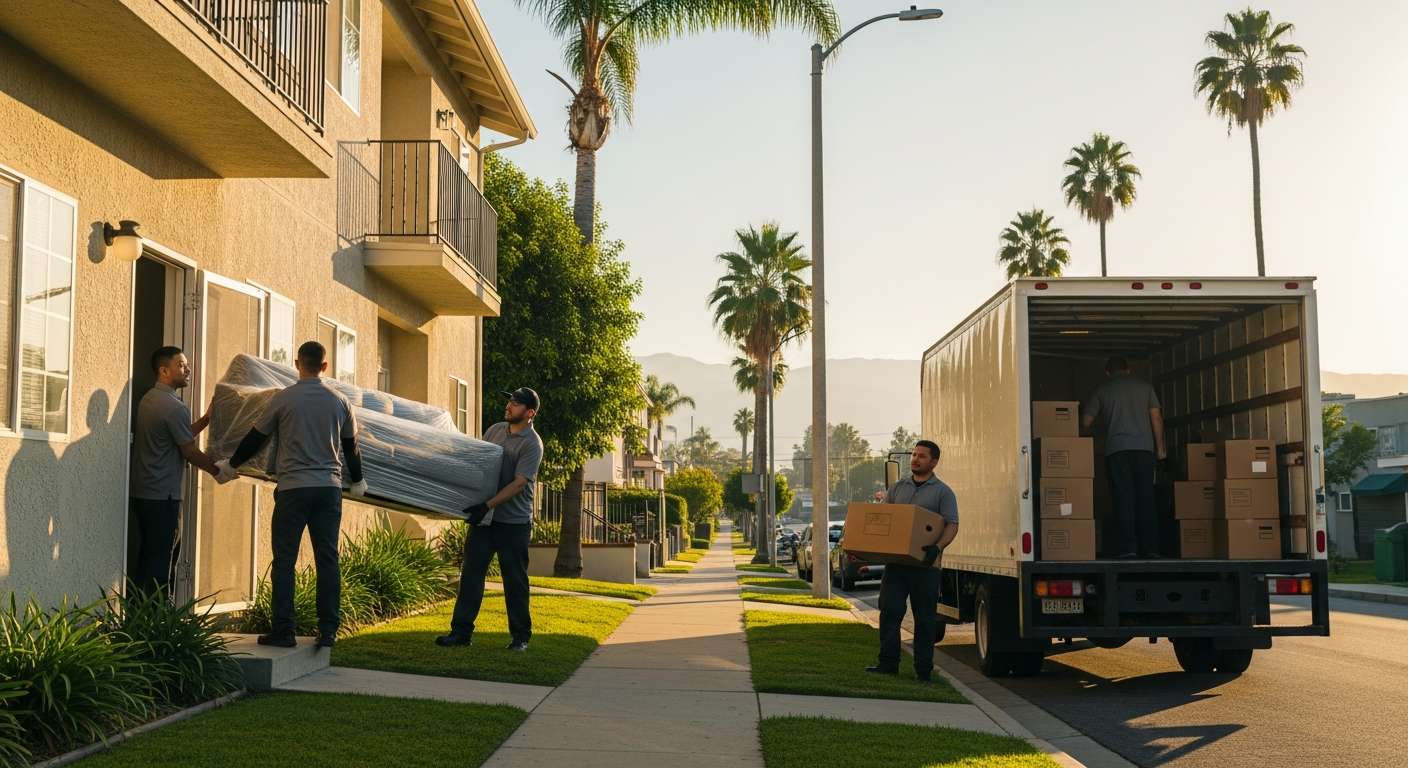
Moving to the San Fernando Valley, especially to popular cities like Burbank and Glendale, can feel exciting and overwhelming at the same time. Between tight apartment parking, busy streets, building rules, and hot moving days, there is a lot more to think about than just loading a truck. The better you plan your Valley move, the smoother your first week in your new home or office will be.
This guide walks you through how to plan, compare, and book moving services for Burbank, Glendale, and the surrounding Valley neighborhoods. You will learn what really affects cost, how far in advance to schedule, what to pack yourself, what to leave to the movers, and how to avoid the most common moving-day problems in this part of Los Angeles County.
TrueNorth Van Lines is a licensed, insured moving company that helps households and businesses relocate locally within the Valley and from other U.S. states into the area. This guide is written from a practical, on-the-ground perspective so you can use it as a step-by-step plan, whether you are moving from across town or across the country.
Use this as your personal moving playbook for Burbank, Glendale, and the wider San Fernando Valley: customize the checklists, refer back to the timelines, and when you are ready, connect with professional movers who can help you execute your plan.
Key takeaways
- Plan your San Fernando Valley move at least 6–8 weeks ahead to secure dates that work around traffic, building rules, and work schedules.
- Access issues like elevators, stairs, and tight driveways in Burbank and Glendale affect crew size, time, and cost as much as distance does.
- Get written, itemized estimates from licensed, insured movers and compare scope, not just price, before you decide.
- Decide early which items movers will pack and which you will handle so you can buy the right supplies and avoid last-minute rush.
- Use a clear labeling and inventory system so boxes go to the right rooms and you can settle into your new Valley home faster.
- Keep essentials, important documents, overnight bags, and high-value items with you, not on the moving truck.
- Working with a professional mover like TrueNorth Van Lines can simplify logistics, protect your belongings, and reduce moving-day stress.
Why moving to the San Fernando Valley is unique
Moving to the San Fernando Valley is different from moving to a small town or a suburb with wide driveways and easy parking. Cities like Burbank and Glendale combine dense residential streets, hills, older buildings with strict rules, and hot weather that can make an already busy day more demanding.
Traffic and timing
Weekday traffic on the 5, 134, 170, and local surface streets can drastically change how long a move takes. Even a short local move of just a few miles within Burbank or Glendale can take extra time if crews have to work around rush-hour congestion or narrow side streets with limited truck parking.
When you plan your move, discuss timing windows with your mover. Early morning starts are often best for Valley moves to avoid heat and traffic, and some buildings only allow moves during specific hours.
Building and neighborhood rules
Many apartment and condo buildings in Burbank and Glendale require:
- Advance reservations for elevator use
- Move-in/move-out fees or deposits
- Proof of insurance from your moving company
- Specific loading zones and time windows
Houses may have different challenges: hillside driveways, low-hanging trees, or streets where large trucks cannot safely turn around. Sharing these details with your mover helps them plan the right truck size and crew.
Climate and item protection
The Valley can be very hot and dry. That means:
- Heat-sensitive items (candles, cosmetics, electronics) need special attention.
- Furniture and doorways may need extra protection from sweat, dust, and sun.
- Hydration and breaks for crews matter for safety and efficiency.
Choosing a moving company that uses clean pads, shrink wrap, and proper equipment helps protect your belongings and both homes during the move.
Burbank vs. Glendale: practical moving overview
Burbank and Glendale are both within the San Fernando Valley, but they offer slightly different moving conditions. Understanding these differences helps you plan access, timing, and services.
| City | Typical Housing Types | Common Moving Considerations |
|---|---|---|
| Burbank | Studios and 1–2 bedroom apartments, single-family homes, townhomes near studios | Studio-area traffic, parking restrictions near major employers, some older buildings with tight stairwells |
| Glendale | High-rise apartments, mid-rise condos, hillside houses, mixed-use buildings | Elevator reservations, loading-dock rules, narrow hillside streets, HOA and condo association requirements |
| Rest of the Valley | Mix of apartments, single-family homes, and small offices | Street parking, driveway access, heat and long walking distances from truck to unit |
When requesting a quote, share whether you are moving to or from Burbank, Glendale, or another Valley neighborhood and describe your building as clearly as possible. Photos of parking areas, staircases, and elevators can help your mover plan more accurately.
Suggested moving timeline for a Valley relocation
Every move is different, but a structured timeline helps you stay ahead of deadlines, especially when building reservations, work schedules, and long-distance travel are involved.
| Time Before Move | Key Tasks | Valley-Specific Notes |
|---|---|---|
| 8+ weeks | Decide move date window, research movers, gather basic inventory list, set budget range. | Check peak seasons (summer, end of month) when Valley movers book quickly. |
| 6–7 weeks | Request written quotes, compare service options, reserve building elevators and loading areas if needed. | Ask building management in Burbank or Glendale for move paperwork and insurance requirements. |
| 4–5 weeks | Start non-essential packing, confirm moving date with your chosen mover, arrange storage if needed. | Consider storage if you have a gap between move-out and move-in dates common with Valley rentals. |
| 2–3 weeks | Change address, transfer utilities, finalize packing plan, confirm details with your mover and building. | Schedule utility start/stop so you avoid moving in the dark or in extreme heat without AC. |
| 1 week | Pack most remaining items, set aside essentials box, confirm parking and truck access with neighbors or building. | In tight Burbank/Glendale streets, place polite notes or talk to neighbors about leaving space for the truck. |
| Day before | Finish key packing, defrost fridge/freezer if needed, take photos of items and property condition, confirm crew arrival time. | Plan for early morning start to beat traffic and heat where possible. |
Use this as a template and adjust based on whether you are moving locally within the Valley or long-distance from another state.
What really affects your moving cost
Whether you are moving to Burbank, Glendale, or another San Fernando Valley neighborhood, your final bill is influenced by much more than the number of boxes. Understanding cost drivers helps you budget realistically and evaluate estimates.
Key cost inputs for Valley moves
| Cost Factor | How It Impacts Price | Valley-Specific Examples |
|---|---|---|
| Move size and inventory | More items mean more labor time and possibly a larger truck, affecting total cost. | Two-bedroom Glendale apartment vs. studio Burbank loft; adding storage contents to the same move. |
| Distance and travel time | Longer distances or traffic delays can increase time-based or mileage-based charges. | Local city-to-city moves within the Valley vs. interstate moves into Burbank or Glendale. |
| Access (stairs, elevators, parking) | Challenging access may require more crew members and additional time, impacting cost. | Fourth-floor walk-up in Burbank, distant parking from Glendale high-rise loading dock, steep hillside driveway. |
| Packing and materials | Full or partial packing services, specialty boxes, and protection materials add to the total. | Professional packing for a home office, fragile studio equipment, or artwork. |
| Season and day of week | Peak seasons and weekends may have higher demand and less flexible availability. | Summer Valley moves, end-of-month moves when leases turnover, Saturdays booked quickly. |
| Special handling items | Pianos, safes, large TVs, glass pieces, and heavy gym equipment can require extra labor and equipment. | Upright piano in a Glendale house, large sectional couch in a Burbank apartment with tight stair turns. |
A useful way to plan your budget is to get a range using a moving cost calculator, then refine it once you have shared your detailed inventory and access details with your mover.
Local vs. long-distance pricing
Local moves within the San Fernando Valley are often billed based on hourly labor plus any materials. Long-distance or interstate moves into Burbank or Glendale are typically priced based on shipment weight or volume and distance, plus requested services.
When you review estimates, make sure you understand whether your quote is hourly, flat-rate, or based on weight, and what is included (disassembly, packing, stairs, long carries, fuel, etc.).
Choosing the right moving services
Choosing the correct level of service is one of the most important decisions you will make. The right combination of local moving, long-distance moving, packing, and storage services can save you time, strain, and unexpected costs.
Local moves within Burbank, Glendale, and the Valley
If you are moving from one Valley neighborhood to another, local local moving services may be the right fit. These moves often take place in a single day, with the same crew loading at your old home and unloading at your new one.
- Ideal for: Apartment-to-apartment moves, house upgrades within the same city, nearby office relocations.
- Key decision: How much packing you will do yourself vs. hiring professional packers.
Long-distance and interstate moves into the Valley
If you are relocating to Burbank or Glendale from elsewhere in California or another state, you will likely use long-distance moving services. These moves require more planning for transit times, delivery windows, and inventory documentation.
- Ideal for: Career relocations, moving closer to studios or employers, families moving from out of state to the Valley.
- Key decision: Your preferred delivery timeframe and how flexible you can be with arrival dates.
Packing services: when they make sense
Professional packing services can be full-service (the movers pack almost everything) or partial (you pack most items, movers handle fragile or high-value items).
Consider packing help when:
- You have a tight schedule and cannot spend several evenings packing.
- You own fragile items like glass tables, art, instruments, or specialty equipment.
- You are moving long-distance and want added protection for a longer trip.
Storage services during a Valley move
Sometimes leases, closing dates, and renovation schedules do not line up perfectly. Secure storage services can bridge the gap between move-out and move-in.
- Ideal for: Staging a home for sale, renovating after closing, or waiting for a new construction completion.
- Key decision: Short-term vs. long-term storage, and whether you want your mover to handle both storage and final delivery.
Helpful TrueNorth Van Lines services
How to prepare before the movers arrive
Good preparation is one of the easiest ways to control both stress and cost when moving to the San Fernando Valley. The more organized your home or office is on moving day, the more efficiently your moving crew can work.
Room-by-room decluttering checklist
Before packing, simplify what you own. Valley homes and apartments can fill quickly; there is no point paying to move items you do not truly want.
- Living room: Sort books, decor, extra electronics, and unused media.
- Kitchen: Remove expired pantry items, rarely used gadgets, and duplicate cookware.
- Bedroom: Donate clothing that does not fit or match your climate needs, extra bedding, and worn-out items.
- Bathroom: Safely dispose of old medications, nearly-empty bottles, and expired cosmetics.
- Garage/storage: Decide what tools, sports equipment, and seasonal items you actually use.
Documenting your inventory
Creating a basic inventory helps both you and your mover. At minimum, list:
- Large furniture pieces (beds, couches, tables, desks, dressers).
- Appliances you are taking with you.
- Special items (art, instruments, collections, high-value electronics).
You can keep this simple in a spreadsheet or on paper. For example:
| Room | Key Items | Notes |
|---|---|---|
| Living Room | Sectional sofa, TV stand, 65″ TV, coffee table | TV to be crated; tight hallway in Burbank apartment |
| Bedroom | Queen bed, dresser, nightstands, mirror | Bed needs disassembly and reassembly |
| Office | Desk, office chair, 2 monitors, filing cabinet | Important files packed by customer and kept separate |
Sample wording when sharing details with movers
“We are moving from a 2-bedroom Glendale apartment on the 5th floor with an elevator, to a 2-bedroom house in Burbank with a narrow driveway. The house has a few steps up to the door, and street parking can be tight in the mornings.”
“Our Burbank apartment is a 3rd-floor walk-up with three short flights of stairs and no elevator. The new Glendale building has a loading dock and service elevator that must be reserved in advance.”
How to compare moving estimates for Burbank and Glendale
When you request moving quotes, especially for moves into popular Valley cities, you may receive different formats and price structures. Comparing only the bottom line can be misleading. Instead, compare estimates line by line and confirm that you are looking at similar scopes of work.
Checklist for evaluating estimates
- Is the mover licensed and insured?
- Is the estimate written and itemized?
- Is your inventory clearly described?
- Are packing services included, optional, or excluded?
- Are extra fees for stairs, elevators, or long carries listed?
- Does the estimate note valuation or coverage options?
- Is the pricing hourly, flat-rate, or based on weight?
Side-by-side comparison table
| Estimate Section | What to Look For | Questions to Ask |
|---|---|---|
| Services included | Loading, transport, unloading, basic protection. | “Is furniture disassembly and reassembly included?” |
| Packing and materials | Number of boxes, types of packing, hourly or flat packing fees. | “Are boxes and packing supplies included or charged separately?” |
| Access and extra labor | Stairs, long carry, elevator, shuttle truck charges if needed. | “How do you handle a long walk from the truck to my Glendale unit?” |
| Valuation/coverage | Types of protection options, deductibles, and limits. | “What are my options if something is damaged?” |
Do not hesitate to ask movers to clarify anything that is unclear. A reputable company will walk you through the estimate so you know exactly what to expect.
Packing and inventory strategies that work in the Valley
Packing is where many Valley moves either stay on schedule or fall behind. With tight loading windows and building rules, last-minute packing can create stress. A planned approach keeps your move on track.
Labeling system for faster unloading
- Use sturdy boxes sized to what you are packing, not oversized boxes that become too heavy.
- Label at least two sides and the top of each box with room and a brief description (e.g., “Kitchen – pots and pans”).
- Use a simple color code (colored tape or stickers) for each room in your new Burbank or Glendale home.
- Mark “Open First” boxes for essentials you will want on day one.
Sample packing priority list
- 3–4 weeks before: Off-season clothing, decor, books, rarely used kitchen gear.
- 2 weeks before: Extra bedding, guest-room items, storage items, most office supplies.
- 1 week before: Everyday dishes you can temporarily replace with disposables, non-essential electronics, extra toiletries.
- Day before: Bedding, shower items, some food, remaining clothing except what you wear on moving day.
What movers can pack vs. what you may want to handle
Professional packers can safely handle most household goods. Some customers still prefer to pack certain categories themselves, such as personal documents or valuables.
Typical division of labor:
- Mover packs: Kitchen breakables, framed art, mirrors, electronics, lamps, closet contents (if using wardrobe boxes).
- You pack: Personal documents, small valuables, medications, overnight bags, and items you will transport yourself.
If you want to streamline packing and keep your Valley move on schedule, consider adding professional packing services for the most delicate and time-consuming rooms.
Moving-day checklist: Burbank and Glendale specifics
Moving day moves quickly. Having a checklist tailored to Burbank and Glendale conditions helps you stay ahead of potential issues.
Before the crew arrives
- Confirm your crew arrival window the day before.
- Ensure your phone is charged and ring volume is on.
- Reserve elevator and loading dock (if required) and post any building instructions.
- Clear hallways and entryways of clutter.
- Secure pets in a safe room or with a friend for the day.
During loading
- Walk the crew leader through your home and point out fragile items and any pre-existing property conditions.
- Show the access route, stairs, elevators, and any tight corners.
- Verify labeling on boxes as they move out; add notes for “Do Not Stack” or “Fragile” as needed.
- Keep essential items, documents, and overnight bags in a separate, clearly marked area.
During unloading at your new Valley home
- Arrive before the truck if you can, especially to a new building in Burbank or Glendale.
- Confirm elevator or loading dock reservations.
- Tell the crew which rooms correspond to labels and colors.
- Have a plan for where large furniture will go; adjust if needed before heavy items are fully assembled.
Tip: In multi-story Glendale condos, assign someone to stand at the unit door and direct boxes to the correct rooms while another person stays near the truck or elevator to answer questions.
Common Valley moving mistakes and how to avoid them
Even well-planned moves can run into issues, but many problems are predictable and preventable, especially in busy areas like the San Fernando Valley.
| Common Mistake | Result | How to Prevent It |
|---|---|---|
| Not reserving elevators/loading docks in Glendale buildings | Delays or rescheduling, extra time charges, frustrated building staff. | Contact building management 3–4 weeks before moving, confirm requirements in writing. |
| Underestimating how long packing takes | Last-minute rush, disorganized boxes, potential extra labor on move day. | Start packing early, or add professional packing for complex areas like kitchens. |
| Not disclosing stair counts or access challenges | Quotes that do not match the actual work, schedule overruns, and possible added charges. | Share clear access information and photos when requesting estimates. |
| Choosing movers based only on lowest price | Risk of incomplete services, misunderstandings, or lack of needed support. | Compare licensing, insurance, services, and reviews along with cost. |
By planning around these common issues, you set yourself up for a more predictable and less stressful move into or within the San Fernando Valley.
What to keep with you on moving day
Certain items should travel with you, not on the moving truck. This is especially important when moving into busy urban environments where parking, timing, and building access can add variables.
Essential items checklist
- Wallet, keys, and identification.
- Important documents (lease, closing documents, insurance policies, passports, medical information).
- Medications and basic first-aid items.
- Phones, laptops, chargers, and essential electronics.
- Overnight bag with clothing, toiletries, and basic towels.
- Basic cleaning supplies for quick touch-ups.
- Snacks and water, especially during hot Valley days.
For families and seniors, having a clearly labeled “Day One” box that travels with you can make the first night in your new Burbank or Glendale home much more comfortable.
How TrueNorth Van Lines can support your Valley move
TrueNorth Van Lines provides local and long-distance moving support for households and businesses relocating to and within the San Fernando Valley, including Burbank and Glendale. The goal is to help you plan a move that is organized, transparent, and appropriate for your needs.
Organized planning and communication
From the first contact, you can expect to discuss your inventory, access details, timing preferences, and any special items. By understanding your unique situation, the team can recommend the right combination of services and an appropriate crew size.
Licensed, insured crews and careful handling
As a licensed and insured moving company, TrueNorth Van Lines uses trained crews, padded protection, and appropriate equipment to handle Valley-specific challenges like tight parking, stairs, and elevators. While no mover can promise a completely risk-free move, professional handling reduces the chances of avoidable issues.
Flexible options for different move types
- Local apartment moves within Burbank, Glendale, and nearby Valley neighborhoods.
- Long-distance relocations to the Valley from other regions.
- Residential house moves, including hillside properties.
- Office and commercial moves coordinated around business hours.
- Senior moves with extra attention to pacing and communication.
If you are in the planning stage for moving to the San Fernando Valley, you can explore available moving services, review the company background on the About TrueNorth Van Lines page, and see customer experiences on the reviews page.
Next steps and soft CTA
When you are ready to move from planning to booking, it can be helpful to estimate your budget and then discuss the details with a consultant. You can use the online moving cost calculator to get a starting range, check service areas, and then request a free moving quote with your inventory and preferred dates.
Related moving guides
For more practical planning tips, check the TrueNorth Van Lines blog for additional guides on local, long-distance, apartment, and office moves.
Frequently asked questions
How far in advance should I book movers for a San Fernando Valley move?
For most moves to or within Burbank and Glendale, booking 6–8 weeks in advance is recommended, especially for summer, weekends, or end-of-month dates when demand is higher.
Is moving within Burbank or Glendale considered a local move?
Yes. Moves within the same metro area are typically treated as local moves, usually billed on an hourly basis, even if traffic adds some driving time between addresses.
Do I really need professional packers for a Valley move?
Not everyone does, but professional packing is helpful if you have a tight schedule, a large home, many fragile items, or if you are moving long-distance into the Valley and want added protection.
What information do movers need for an accurate Valley quote?
Movers need your inventory, both addresses, floor levels, stair or elevator details, parking notes, any special items, and your preferred dates and time windows.
How can I keep my moving costs lower without cutting corners?
You can declutter before the move, pack part of your home yourself, be flexible on dates, and give your mover accurate access details so they can estimate time correctly.
What should I ask my building management before moving in or out?
Ask about required move reservations, permitted hours, elevator or loading dock use, move fees or deposits, and proof-of-insurance requirements for movers.
What if my new Burbank or Glendale home is not ready on time?
If there is a gap between move-out and move-in dates, you can use short-term secure storage services and schedule a later delivery to your new home.
How do I know if a moving company is licensed and insured?
You can ask the mover directly for their licensing and insurance details, review their documentation, and confirm that these match what is listed in their written estimate and service agreement.
What time of day is best for moving in the San Fernando Valley?
Morning moves are usually best to avoid midday heat and heavier traffic. Starting early can also help you make better use of building loading windows.
Can TrueNorth Van Lines help with both packing and moving?
Yes. TrueNorth Van Lines offers customizable services that can include packing, loading, transport, unloading, and storage, depending on what works best for your move.
Sources referenced in this guide
This guide is based on practical moving experience and general consumer guidance from several reputable sources, including:
- Federal Motor Carrier Safety Administration consumer guidance for interstate moving.
- U.S. Department of Transportation moving guidance materials.
- State transportation and consumer protection agency recommendations on hiring movers.
- Typical building management move-in and move-out requirements for multifamily properties.
- Standard written moving estimates, bills of lading, tariffs, and valuation options used in the moving industry.
This guide is general moving information, not legal, insurance, or regulatory advice. Moving requirements, pricing, access rules, and coverage options may vary by location, move type, building rules, and service agreement.