
What to Do If Movers Damage Your Furniture (Claims Process)
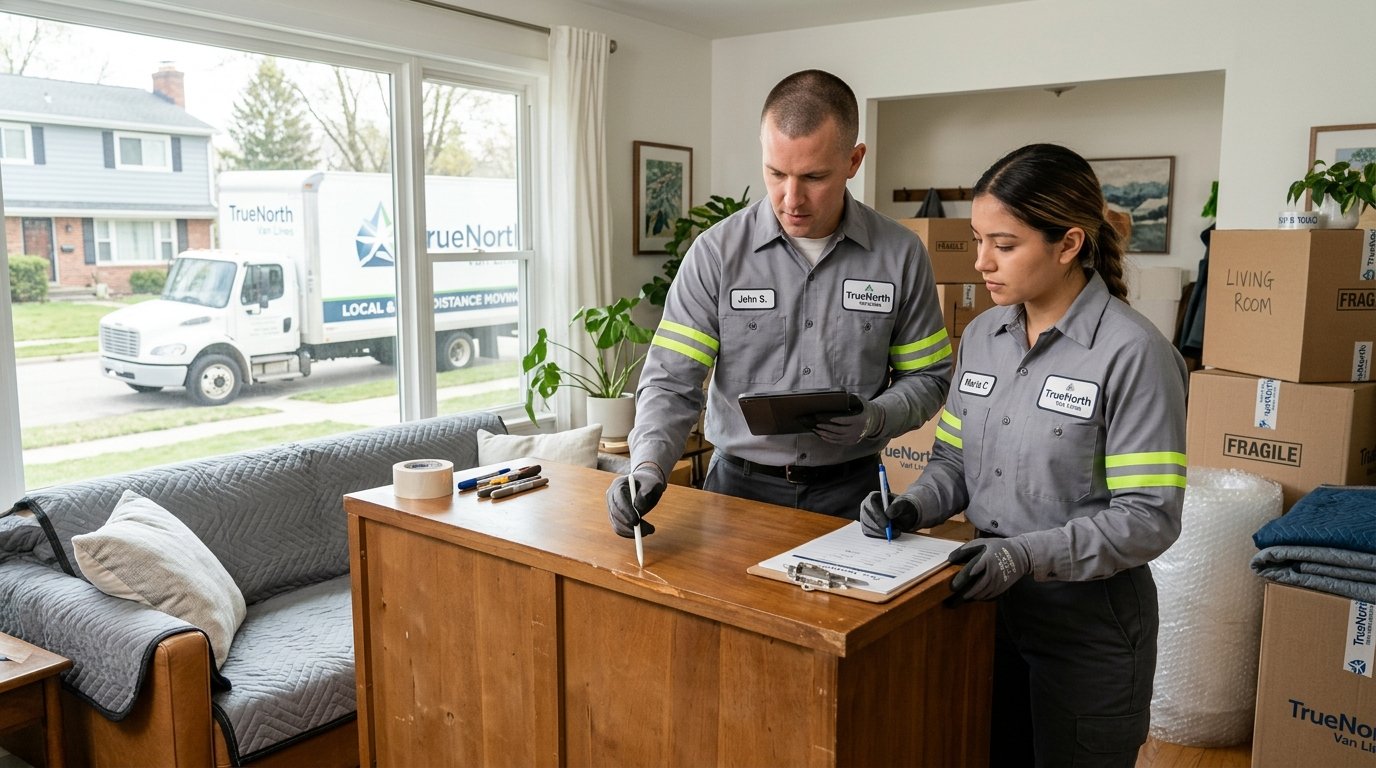
Even with careful planning and experienced movers, not every move goes perfectly. A table leg can get scratched, a dresser corner can be chipped, or a glass panel can crack in transit. When it is your furniture, even a small mark can feel like a big problem.
When movers damage your furniture, the most important thing you can do is respond calmly and systematically. What you do in the first minutes, hours, and days after delivery often determines how smooth your moving damage claim will be and what compensation you may receive.
This guide from TrueNorth Van Lines walks through what to do if movers damage your furniture, how the claims process usually works with a licensed moving company, what kind of documentation you should collect, and how to reduce the risk of damage on your next move. You will also see where professional services like packing, storage, and full-service local and long-distance moving fit into a prevention-first strategy.
Our goal is to help you protect your belongings, understand your options, and feel more confident speaking with any mover about damage, valuation, and claims — whether you are planning a local move or relocating across the country.
Key takeaways
- Do not sign final delivery paperwork as «received in good condition» until you have at least walked through and noted visible damage on the inventory or delivery receipt.
- Take clear, time-stamped photos and short video clips of damaged furniture, packaging, and any affected areas in your home before moving items to new rooms.
- File your moving damage claim in writing as soon as possible based on your agreement and keep copies of all communication with the mover.
- Understand your valuation coverage before you move; it determines how compensation is calculated for items damaged in transit.
- Professional packing, protective materials, and planning around tight access points significantly reduce the risk of damage.
- Careful communication with the crew on move day — about fragile items, pre-existing damage, and building rules — helps set the stage for fewer problems.
- Working with a licensed, insured mover such as TrueNorth Van Lines gives you a defined process for addressing damage rather than leaving you to figure it out alone.
Understanding moving damage and claims
Before we talk about forms and deadlines, it helps to understand how moving companies typically look at damage and responsibility. This context will make the rest of the claims process easier to follow.
Types of damage that often occur
Even when crews are careful, certain kinds of furniture damage are more common during moves:
- Scuffs or paint transfer on wood surfaces
- Minor scratches on tables, dressers, and bed frames
- Dents in soft wood, particleboard, or veneer pieces
- Chips on corners or edges of furniture and mirrors
- Tears in fabric or upholstery, especially on sharp edges
- Broken legs, arms, or glass panels after high-impact events
Some pieces are more vulnerable than others, including flat-pack furniture, fragile antique items, and pieces with protruding legs or arms. Knowing this helps focus your prevention and your walk-through inspection.
«Normal wear» versus damage in transit
Movers generally distinguish between normal wear and tear and damage that happened during the move. Small marks that were already on the item, faded finishes, or loose joints from age might be noted as pre-existing. New dents, chips, and structural breaks that appear between origin and destination are considered potential moving damage.
This is why thorough documentation before the move — and clear notations on the inventory — matter so much for any moving damage claim.
Who is responsible for what?
Responsibility for furniture damaged in transit is influenced by several things:
- Whether the mover packed the items or they were packed by the customer
- The valuation level you selected on your paperwork
- How access worked at each location (stairs, elevators, tight hallways)
- Whether the damage was avoidable with normal care and proper materials
- Any exclusions noted in the bill of lading or service agreement
A professional mover like TrueNorth Van Lines starts by reviewing the inventory, photos, crew notes, and your claim to decide if the damage is likely to be moving-related, then applies the valuation terms to determine compensation.
First steps to take when you notice damaged furniture
The first minutes after you notice damage can strongly affect your outcome. Here is a practical sequence to follow.
1. Stay calm and evaluate
It is understandable to be frustrated or upset when you see a scratched dining table or a broken chair. Try to pause before reacting. Your goal is to:
- Identify where the damage is
- Determine if it is structural or cosmetic
- Keep the item as-is until you can photograph it
If the moving crew is still present, let the crew leader know about the damage politely and factually.
Example wording: «I just noticed this leg is cracked and the finish is chipped. I would like to make sure this is noted on the paperwork before we finish up.»
2. Note damage on delivery paperwork
Before you sign the final delivery receipt or inventory, you usually have the opportunity to note exceptions. This is one of the most important steps in protecting your moving damage claim.
- List each damaged item with a short description
- Use phrases like «scratched top,» «cracked leg,» or «broken glass»
- Confirm that the crew leader also acknowledges the notation
Do not feel rushed into signing «received in good condition» if you see clear damage that should be recorded.
3. Take photos and video before moving the item
As soon as practical, take multiple photos and short video clips of the damaged furniture from different angles. Capture:
- The entire piece of furniture
- A close-up of each damaged area
- The surrounding area where the item was unloaded
- Any damaged packaging or pads
Time-stamped images are extremely helpful if there is any question about when and how the damage occurred.
4. Keep all packing materials nearby
Do not immediately throw away boxes, bubble wrap, or pads that were around the damaged item. These materials can help show whether the piece was properly protected for a move.
5. Report the issue to the moving company office
If you are working with a company such as TrueNorth Van Lines, you can contact the office team shortly after delivery to report damage and ask about the claims process.
Example wording: «My move delivered today, and I noticed several items with new damage. I have photos and noted them on the delivery receipt. Can you please send me the information I need to file a moving damage claim?»
How to document damage effectively
Strong documentation is the backbone of any successful moving damage claim. It does not need to be complicated, but it should be organized and complete.
Essential documentation checklist
- Bill of lading and service agreement
- Inventory sheets with condition notations
- Delivery receipt with your written damage notes
- Photos of items before the move (if available)
- Photos and video of damage after the move
- Receipts or proof of value for higher-value furniture
- Any repair estimates from furniture repair or upholstery shops
Before-and-after evidence
If you have pre-move photos, such as listing photos of your home, insurance photos, or casual snapshots that show your furniture, keep them handy. Comparing before and after can be powerful evidence that an item was damaged in transit rather than over time.
Creating a simple damage log
A basic damage log can help you stay organized and make your claim easier to review. You can create a simple table like this in a spreadsheet or notebook:
| Item | Type of damage | Photos / notes |
|---|---|---|
| Dining table (oak) | 6-inch scratch on surface; corner chip | Photos 01-03; noted on delivery receipt as Line 24 |
| TV stand | Cracked left side panel | Photos 04-06; pre-move photo from living room |
| Upholstered chair | Tear in back fabric | Photos 07-09; crew leader notified at delivery |
Attaching this log to your written claim shows you are organized and serious, and it makes it easier for the mover to evaluate and respond.
How the moving damage claim process usually works
Each licensed moving company has its own procedures, but most moving damage claim processes share the same basic steps. Understanding these steps can make the experience less stressful.
Typical moving damage claim timeline
The table below summarizes a common timeline for a standard moving damage claim with a professional mover.
| Stage | What happens | Your role |
|---|---|---|
| Delivery day | Furniture is unloaded and placed, visible damage may be noted on the paperwork. | Walk through, note damage on delivery receipt, take photos, notify crew leader. |
| Within the claim window | You submit a written moving damage claim with documentation. | Complete claim form, attach photos, logs, proof of value where needed. |
| Review period | Mover or claims department reviews evidence, may request more details or inspection. | Respond promptly to questions or inspection requests. |
| Resolution proposal | Mover proposes repair, replacement, or payment based on valuation coverage. | Review and decide whether to accept or seek clarification. |
Filing the claim in writing
A moving damage claim usually needs to be submitted in writing — often using a company form or email. When you work with a mover such as TrueNorth Van Lines, the office can outline how to submit a complete claim.
Your written claim should include:
- Your name, move date, and job or reference number
- Origin and destination addresses
- A list of all damaged items with descriptions
- Copies or scans of supporting documents (photos, receipts, inventory pages)
- Your preferred contact information
Example wording: «Please accept this as my formal moving damage claim related to my shipment delivered on May 10. I have attached a list of damaged items and photos for your review.»
Response and resolution options
Depending on the damage and your valuation coverage, a mover may offer:
- Repair by a furniture repair or upholstery professional
- Replacement with a similar item (subject to coverage limits)
- Payment based on the depreciated or declared value of the item
The details will be guided by your contract and applicable regulations. A reputable mover will walk you through practical options instead of leaving you unsure about next steps.
Valuation coverage and what it actually means
Many people are surprised to learn that a standard move does not automatically include full insurance for every piece of furniture. Instead, moving companies offer valuation options, which are agreements about how much the mover is responsible for if items are damaged in transit.
Common valuation options
Exact names vary, but most moves use one of two broad categories of coverage. The table below highlights typical differences so you can better understand your moving damage claim.
| Valuation type | How it works | Impact on claims |
|---|---|---|
| Basic released value | Mover liability is limited, often based on weight (for example, a set number of cents per pound). | Low-cost option but offers limited reimbursement for higher-value, lighter items. |
| Higher-level valuation or full-value protection | Mover agrees to repair, replace, or pay according to a higher declared value, sometimes with a deductible. | Better protection for furniture and high-value items, at an additional cost. |
Before your move, it is worth reading these options carefully and asking questions so you know what level of protection you are choosing.
How valuation affects your moving damage claim
When movers damage your furniture, valuation coverage shapes how compensation is calculated:
- Under basic released value, compensation may be far less than the purchase price of a high-end chair or table.
- Under higher-level valuation, the mover may arrange repair or replacement up to a defined limit, minus any applicable deductible.
- Some items may need to be listed separately (especially unusually valuable pieces).
When you discuss your estimate with a company like TrueNorth Van Lines, ask to see how different valuation levels affect your overall price and your potential protection.
What affects compensation for damaged furniture
Not every moving damage claim leads to the same type or amount of compensation. Several practical factors influence the outcome.
Key cost and compensation factors
The table below outlines some of the main factors a mover or claims department may consider.
| Factor | Why it matters | Typical impact |
|---|---|---|
| Valuation level selected | Defines maximum mover responsibility per item or per pound. | Higher valuation often leads to more substantial repair or replacement options. |
| Item age and condition | Differentiates new damage from long-term wear and tear. | Older items may be valued lower than newer ones under some coverage. |
| Type of damage | Cosmetic scratches versus structural breaks or total loss. | Cosmetic issues may be handled with repair; severe damage may qualify for replacement or payment. |
| Repair feasibility | Whether a professional can reasonably restore the item. | If repair is practical, that may be the first option offered. |
Practical expectations
When planning a move, it is useful to set realistic expectations:
- Minor nicks or scuffs on older, heavily used pieces may not lead to large payments.
- Significant structural damage to newer or high-value items usually receives more focused attention.
- Careful documentation and timely claims improve your chances of a fair resolution.
Discussing valuation and coverage up front with TrueNorth Van Lines can help you align your expectations with your budget and priorities.
Prevention: packing and preparation to reduce damage
While this guide focuses on what to do when movers damage your furniture, prevention is just as important. A well-planned move with the right materials and techniques dramatically reduces the risk of damage.
Protective materials that really make a difference
High-quality protective materials and professional packing techniques are among the best tools for preventing furniture damage in transit.
| Material | Best use | Prevention benefit |
|---|---|---|
| Moving blankets/pads | Wrapping wood furniture, headboards, dressers, and tables. | Helps prevent scratches, dings, and paint transfer. |
| Shrink wrap | Securing pads around furniture and protecting fabric from dirt. | Keeps pads in place and adds a protective layer. |
| Corner protectors | Tabletops, mirrors, glass, and framed artwork corners. | Reduces risk of chips and corner damage. |
| Double-walled boxes | Heavy or fragile items, electronics, and decor. | Adds strength and crush resistance during stacking. |
Pre-move preparation checklist
Use this checklist to reduce the chance of needing a moving damage claim later:
- Walk through your home and note pre-existing damage on major furniture pieces.
- Take photos of your furniture in its current condition.
- Remove loose glass shelves and pack them separately.
- Disassemble large items when recommended by your mover.
- Clear pathways and protect floors as needed.
- Discuss particularly fragile or sentimental items with your mover in advance.
Choosing professional professional packing services with TrueNorth Van Lines can be a smart investment, especially for high-value furniture and long-distance moves.
Planning for access challenges
Narrow staircases, tight corners, and elevators are common sources of risk for furniture damage. Let your mover know about these challenges before the move so they can plan the right crew size, equipment, and approach.
How to talk with your moving company about damage
Calm, clear communication with your moving company often leads to faster, more constructive resolutions when movers have damaged your furniture.
Be factual and specific
When describing damage to a coordinator or claims specialist, stick to facts:
- Name the item and where you bought it, if known.
- Describe the damage, including size and location.
- Mention when and how you discovered it.
- Reference attached photos or documents.
Example wording: «The oak dining table purchased in 2021 now has a six-inch scratch near the center and a chipped rear corner, which were not present before the move.»
Ask about the process and timeline
Some helpful questions to ask include:
- What is the deadline for filing my moving damage claim?
- Is there a specific form or email address I should use?
- How long does a typical claim take to review?
- Will you arrange inspection or repair if needed?
- How will my valuation coverage apply to this damage?
A professional company such as TrueNorth Van Lines should be ready to explain these steps in plain language.
Keep written records
Whenever possible, follow up phone conversations with short emails summarizing what was discussed. This creates a clear record of your efforts.
- Date and time of conversation
- Name of the person you spoke with
- Summary of next steps or promised actions
This approach tends to keep everyone on the same page and supports your moving damage claim if questions arise later.
Common mistakes after movers damage furniture
Even careful customers can accidentally weaken their own claims by taking certain actions too quickly. Being aware of these mistakes helps you avoid them.
Frequent missteps and better alternatives
| Mistake | Why it is a problem | Better approach |
|---|---|---|
| Signing «all good» without checking | Suggests there were no visible issues at delivery. | Do a quick walk-through and note any damage before signing. |
| Throwing away packing materials immediately | Eliminates evidence of how items were protected. | Keep materials until your claim is filed and documented. |
| Attempting DIY repairs right away | May make damage harder to evaluate or repair professionally. | Photograph and file the claim first; wait for guidance. |
| Waiting months to report issues | May exceed claim deadlines and blur facts. | Report and file within the time frame in your agreement. |
Checklist: what not to do
- Do not ignore small damage that really matters to you.
- Do not assume you have no options without reading your paperwork.
- Do not post public complaints before you have tried to resolve the issue directly.
- Do not discard receipts or valuation documents from your move.
Staying organized, respectful, and firm gives you the best chance at a fair outcome with any moving company.
How TrueNorth Van Lines helps prevent and address damage
TrueNorth Van Lines approaches every move with prevention first, followed by a clear process if problems arise. While no mover can promise that nothing will ever be scratched or dented, a professional, organized approach makes a meaningful difference for customers.
Careful planning for local and long-distance moves
Whether you are moving across town or across state lines, planning is the foundation for a smooth move. With TrueNorth Van Lines, that planning may include:
- Reviewing your home layout and access at both origin and destination
- Discussing items of special concern before move day
- Recommending appropriate valuation options
- Advising when professional packing is strongly recommended
For shorter relocations, our local moving services combine efficient loading practices with careful protection. For complex or cross-state relocations, our long-distance moving services are planned with extra attention to how furniture is wrapped, stacked, and secured for the longer trip.
Professional crews and packing support
TrueNorth Van Lines crews are trained in practical techniques to protect your furniture, such as:
- Wrapping wood and upholstered pieces with pads and shrink wrap
- Using straps and proper stacking patterns inside the truck
- Protecting doorways, railings, and key pinch points
- Communicating about fragile items during loading and unloading
If you prefer additional support, our professional packing services can take over the most delicate and time-consuming parts of preparation. That can significantly reduce the chance of damaged items in transit, especially for heavier or fragile furniture.
Clear, organized claims process
If movers ever do damage your furniture during a TrueNorth Van Lines move, having a clear moving damage claim process matters. While individual situations vary, you can expect:
- Guidance on how to document and report damage
- Dedicated contact information for submitting your claim
- Review of your valuation coverage to set expectations
- Transparent communication about proposed resolutions
Helpful TrueNorth Van Lines services
What to keep with you on moving day
One of the best ways to protect your most important items is to keep them with you rather than on the truck, especially during long-distance moves.
Items to keep personally
- Important documents (IDs, financial records, contracts)
- Small irreplaceable items and family heirlooms
- Jewelry and personal electronics
- Essential medications and medical devices
- Basic tools for assembly/disassembly
For furniture, consider:
- Transporting very delicate heirloom pieces separately when practical
- Discussing any unusually fragile items with your mover to decide on the safest approach
Essentials box for the first 24–48 hours
Pack a clearly labeled box (or bins) with:
- Basic cleaning supplies
- A few towels and bedding sets
- Plates, cups, and utensils
- Phone chargers and power strips
- Simple tools and hardware for furniture
Having these items handy helps you settle in without rushing to unpack every box, so you can focus calmly on inspecting for any damage and completing your moving damage claim if needed.
Frequently asked questions
How long do I have to file a moving damage claim?
Time limits for filing a moving damage claim depend on your contract and the type of move. Many agreements set a defined window, often measured in days from delivery. Read your paperwork carefully and aim to submit your claim as soon as you have documented the damage.
What if I notice furniture damage days after delivery?
It is common to discover some damage after you finish unpacking or rearranging furniture. As soon as you notice an issue, document it with photos and submit or update your claim in writing, as long as you are still within the time frame allowed by your agreement.
Does valuation coverage mean full insurance for my furniture?
Valuation coverage is not the same as full insurance. It is a limited agreement that defines the mover’s responsibility if items are lost or damaged. Different valuation levels provide different levels of protection and may not cover the entire replacement cost of every item.
What should I do if movers damaged my apartment building or house?
If walls, floors, or doors are damaged during the move, take photos and notify both the crew leader and the property owner or manager. Note the damage on delivery paperwork and include it in your communication with the moving company so responsibility and repairs can be addressed.
Can I repair damaged furniture myself and send the bill to the mover?
It is usually better to contact the mover before arranging your own repairs. Many companies have preferred repair vendors or specific procedures. If you proceed on your own without coordination, reimbursement may be limited or questioned.
What if my claim offer seems too low?
If you receive an offer that feels lower than expected, review your valuation coverage and ask the mover to explain how they calculated the amount. Provide any additional documentation you have, such as purchase receipts or repair estimates, and request a reconsideration if appropriate.
Are certain items excluded from moving damage claims?
Some service agreements exclude specific items, such as pre-damaged pieces, particleboard furniture, or items packed by the customer using insufficient materials. Read your agreement carefully and ask your mover to clarify anything that is not clear before move day.
How can I reduce the chance of movers damaging my furniture?
Pre-move planning, high-quality packing materials, professional packing support, and clear communication about fragile items all reduce risk. Choosing a licensed, insured mover like TrueNorth Van Lines also gives you structured processes for both prevention and resolution.
Does it matter if the mover packed my items or I did?
Yes. Movers are generally more responsible for items they packed themselves. If you pack your own boxes and they are not adequately protected, it can limit the mover’s liability for contents that are damaged in transit.
Who should I contact at TrueNorth Van Lines about damage?
If your move was handled by TrueNorth Van Lines and you notice damage, contact our office team directly. You can also request a free moving quote for future moves and ask questions about valuation and protection before you book.
Sources referenced in this guide
This guide is based on common industry practices and guidance from several sources, including:
- Federal Motor Carrier Safety Administration consumer guidance
- U.S. Department of Transportation moving guidance
- State transportation and consumer protection agencies
- Written moving estimates, inventories, and bills of lading used by licensed movers
- Carrier tariffs, valuation options, and service agreements commonly used in the moving industry
- Building management move-in and move-out rules for residential and commercial properties
Planning your next move with damage prevention in mind
If you are preparing for an upcoming move, now is the best time to think about protection strategies, valuation coverage, and how to avoid needing a moving damage claim in the first place.
TrueNorth Van Lines can help you:
- Plan a local or long-distance move around your schedule and building rules
- Choose the right combination of packing, loading, and storage services
- Understand how valuation coverage works for your shipment
- Budget more confidently using our online tools
You can review our full range of moving services, confirm that your new home is within our service areas, estimate costs with the moving cost calculator, or request a free moving quote tailored to your home or office.
Related moving guides
This guide is general moving information, not legal, insurance, or regulatory advice. Moving requirements, pricing, access rules, and coverage options may vary by location, move type, building rules, and service agreement.